Go to main content Skip to footer navigation
  • ALL ORDERS PLACED ON JILSANDER.COM BETWEEN DECEMBER 1st AND DECEMBER 31st CAN BE RETURNED UNTIL JANUARY 31st

  • COMPLIMENTARY STANDARD SHIPPING ON ORDERS OVER 300€


JIL SANDER SOUNDS PRESENTS

CISCO RECORDS


JIL SANDER SOUND ZINE


The theme of the inaugural issue is 'Music and Environment.' We unravel the creative minds that shape Jil Sander.


Img


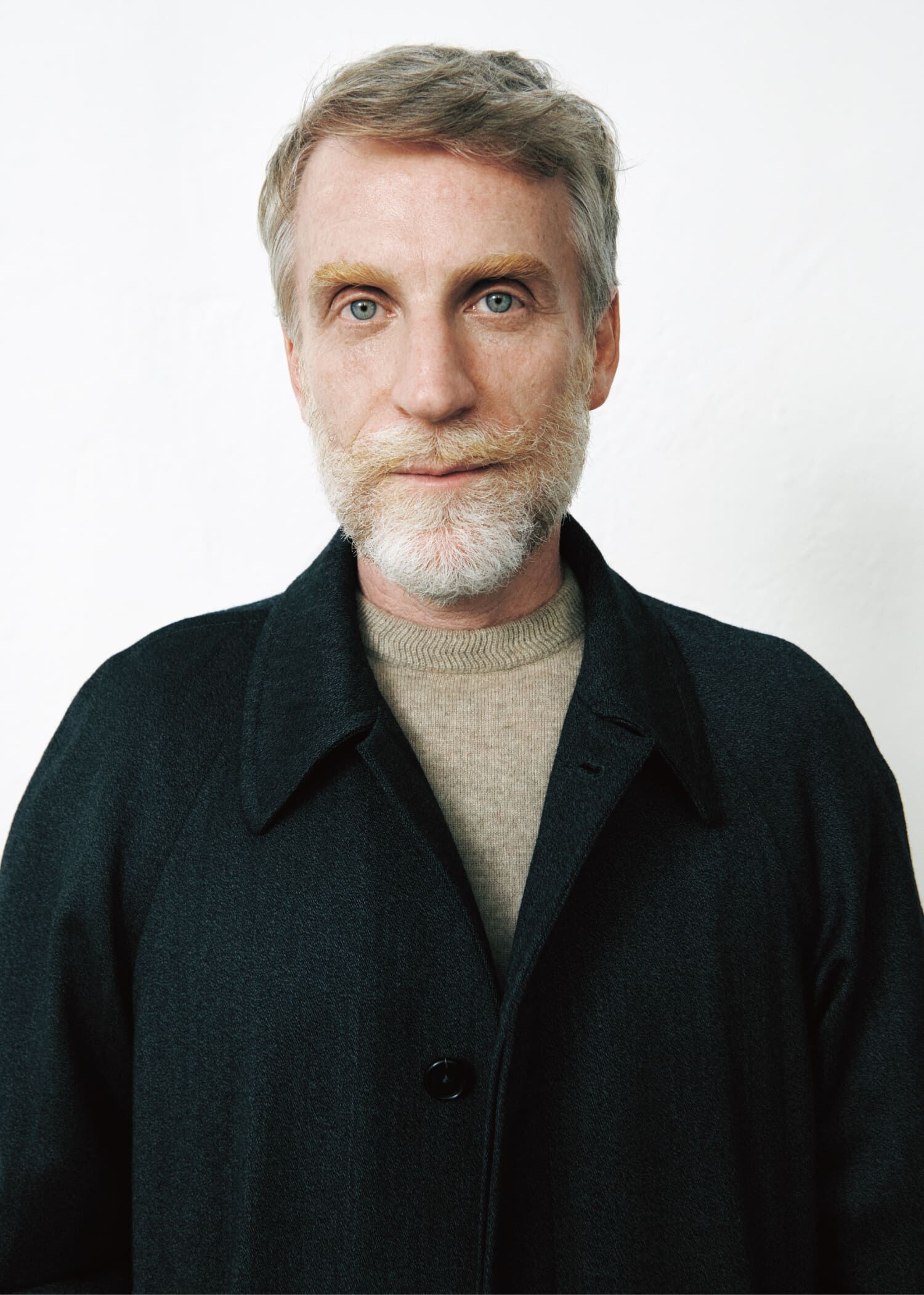
"Music is a great tool that can create emotions without filters. Japan, with its delicate sensibility, has a strong culture around music. There is always a little magic within it." (Simone Bellotti / Creative Director)


Simone Bellotti

Creative Director

Photography: Marco Lessi
 
 
Simone Bellotti


Simone Bellotti

Creative Director

Photography: Marco Lessi


"A Japanese stereo my father bought when I was young eventually became mine. I remember being amazed by its wonderful sound quality. In my youth I was drawn to bass sounds and always listened at full volume. The music of bands like Duran Duran and Spandau Ballet, which my sister was obsessed with in the 80s, must have naturally seeped into me. Eventually I started going to clubs with friends, and became interested in both music and fashion. House music in particular had an intense and cool scene."

"Now my approach is completely the opposite. I prefer to listen in a relaxed way at low volume. Thanks to a friend who is a sound engineer, I have been able to create an environment where I can always enjoy sound in the best possible way. I have a strong interest in technology, but most of my equipment is made in Japan or Germany, and much of it uses older technology. Recently I bought a vacuum tube amplifier from a Japanese brand called Air Tight. It is probably only Air Tight that can build to the same standards as the 1920s — a structure in which electrical signals are amplified by heat and that energy is sent to the speakers. It takes about 20 minutes after switching it on before you can listen to music, but I really enjoy that almost ritualistic waiting time."

"As I got a little older, I started collecting cassette tapes recorded at clubs — special things you would obtain by exchanging them with friends. The one that left the strongest impression was a cassette recorded in 1989 at a legendary club near Venice. It begins with the sound of wind, gradually evoking the presence of the sea, then the cry of seagulls. Looking back, that experience of imagining a space I wasn't in while listening was my first encounter with ambient music.”

“I am deeply fascinated by Japanese ambient music. It does not try to make an impression in the first moment; instead, profound emotions rise up the more time you spend listening. In the minimal yet powerful music by artists like Hiroshi Yoshimura and Ryuichi Sakamoto, there are many discoveries within simplicity, and I sense a unique culture that cherishes subtle emotions which cannot be captured by numbers alone. I have visited Tokyo many times, but I still need more time to fully understand Japan. Yet I strongly feel its quiet elegance and deep respect for quality.”

"A Japanese stereo my father bought when I was young eventually became mine. I remember being amazed by its wonderful sound quality. In my youth I was drawn to bass sounds and always listened at full volume. The music of bands like Duran Duran and Spandau Ballet, which my sister was obsessed with in the 80s, must have naturally seeped into me. Eventually I started going to clubs with friends, and became interested in both music and fashion. House music in particular had an intense and cool scene."

"Now my approach is completely the opposite. I prefer to listen in a relaxed way at low volume. Thanks to a friend who is a sound engineer, I have been able to create an environment where I can always enjoy sound in the best possible way. I have a strong interest in technology, but most of my equipment is made in Japan or Germany, and much of it uses older technology. Recently I bought a vacuum tube amplifier from a Japanese brand called Air Tight. It is probably only Air Tight that can build to the same standards as the 1920s — a structure in which electrical signals are amplified by heat and that energy is sent to the speakers. It takes about 20 minutes after switching it on before you can listen to music, but I really enjoy that almost ritualistic waiting time."

"As I got a little older, I started collecting cassette tapes recorded at clubs — special things you would obtain by exchanging them with friends. The one that left the strongest impression was a cassette recorded in 1989 at a legendary club near Venice. It begins with the sound of wind, gradually evoking the presence of the sea, then the cry of seagulls. Looking back, that experience of imagining a space I wasn't in while listening was my first encounter with ambient music.”

“I am deeply fascinated by Japanese ambient music. It does not try to make an impression in the first moment; instead, profound emotions rise up the more time you spend listening. In the minimal yet powerful music by artists like Hiroshi Yoshimura and Ryuichi Sakamoto, there are many discoveries within simplicity, and I sense a unique culture that cherishes subtle emotions which cannot be captured by numbers alone. I have visited Tokyo many times, but I still need more time to fully understand Japan. Yet I strongly feel its quiet elegance and deep respect for quality.”

“Music is a medium capable of generating direct emotions without filters. It requires no explanation — what you might call immediacy. Music also awakens forgotten memories and expands the imagination. I am not opposed to social media, but today everything is too visible. It is precisely because there are things people cannot see or do not yet know that curiosity arises — a desire to explore. Clothing aspires to the same immediacy as music, though it is not easy, because fashion requires explanation. Historically, however, there have been many designers of great immediacy, and it is a fact that they changed the history of fashion.”

“For a brand like Jil Sander, it is essential to find music that can create a dialogue with our subtle expression without compromising the image of the clothes. At this point, our approach is music that is calm and refined — never too strong, never too fast.”

“I first define what I want to achieve with a collection, then think about the music that suits it. I convey to Laurel Halo the essence of my emotions that Ruggero Pietromarchi has drawn out, she proposes sounds, and the direction takes shape. It is a very gratifying dialogue. Our process is evolving little by little. The first show was instrumental, but for this show I wanted to pursue more dramatic emotions. Chiara Barzini's poetry, Kim Gordon's voice, and John Cale's singing were added — elements that embodied the feeling I had while preparing for the show: a sense of quiet strength.”

“When a collection I have worked on and the music align perfectly and feel right, I find true happiness. And if I can share that emotion with more people, there is no greater joy."


Curated by Simone Bellotti

“Music is a medium capable of generating direct emotions without filters. It requires no explanation — what you might call immediacy. Music also awakens forgotten memories and expands the imagination. I am not opposed to social media, but today everything is too visible. It is precisely because there are things people cannot see or do not yet know that curiosity arises — a desire to explore. Clothing aspires to the same immediacy as music, though it is not easy, because fashion requires explanation. Historically, however, there have been many designers of great immediacy, and it is a fact that they changed the history of fashion.”

“For a brand like Jil Sander, it is essential to find music that can create a dialogue with our subtle expression without compromising the image of the clothes. At this point, our approach is music that is calm and refined — never too strong, never too fast.”

“I first define what I want to achieve with a collection, then think about the music that suits it. I convey to Laurel Halo the essence of my emotions that Ruggero Pietromarchi has drawn out, she proposes sounds, and the direction takes shape. It is a very gratifying dialogue. Our process is evolving little by little. The first show was instrumental, but for this show I wanted to pursue more dramatic emotions. Chiara Barzini's poetry, Kim Gordon's voice, and John Cale's singing were added — elements that embodied the feeling I had while preparing for the show: a sense of quiet strength.”

“When a collection I have worked on and the music align perfectly and feel right, I find true happiness. And if I can share that emotion with more people, there is no greater joy."


Img


01.

Nexus

Mohammad Reza Mortazavi


Img


04.

We Must Become the Pitiless Censors of Ourselves

John Maus

Img


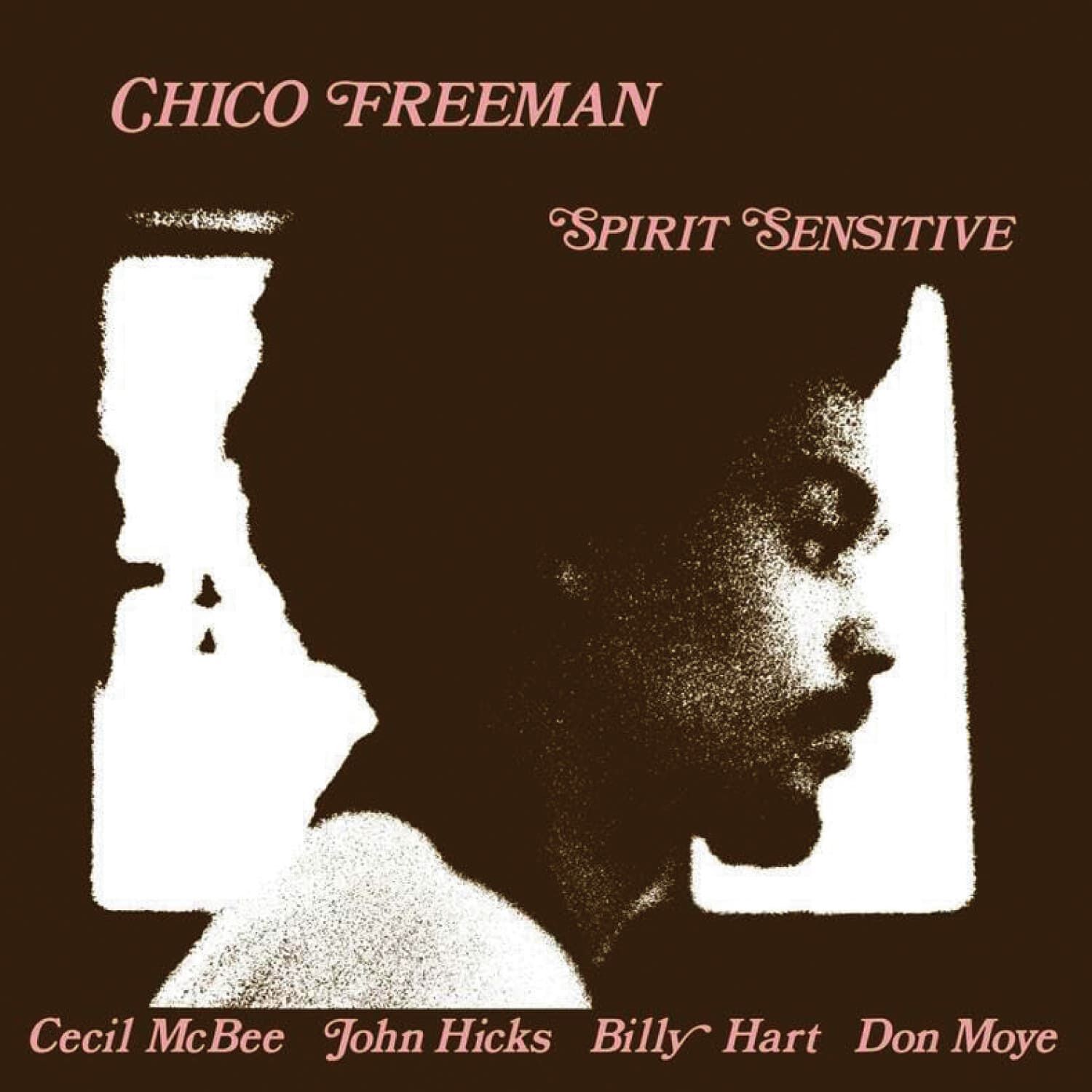
02.

Spirit Sensitive

Chino Freeman


Img


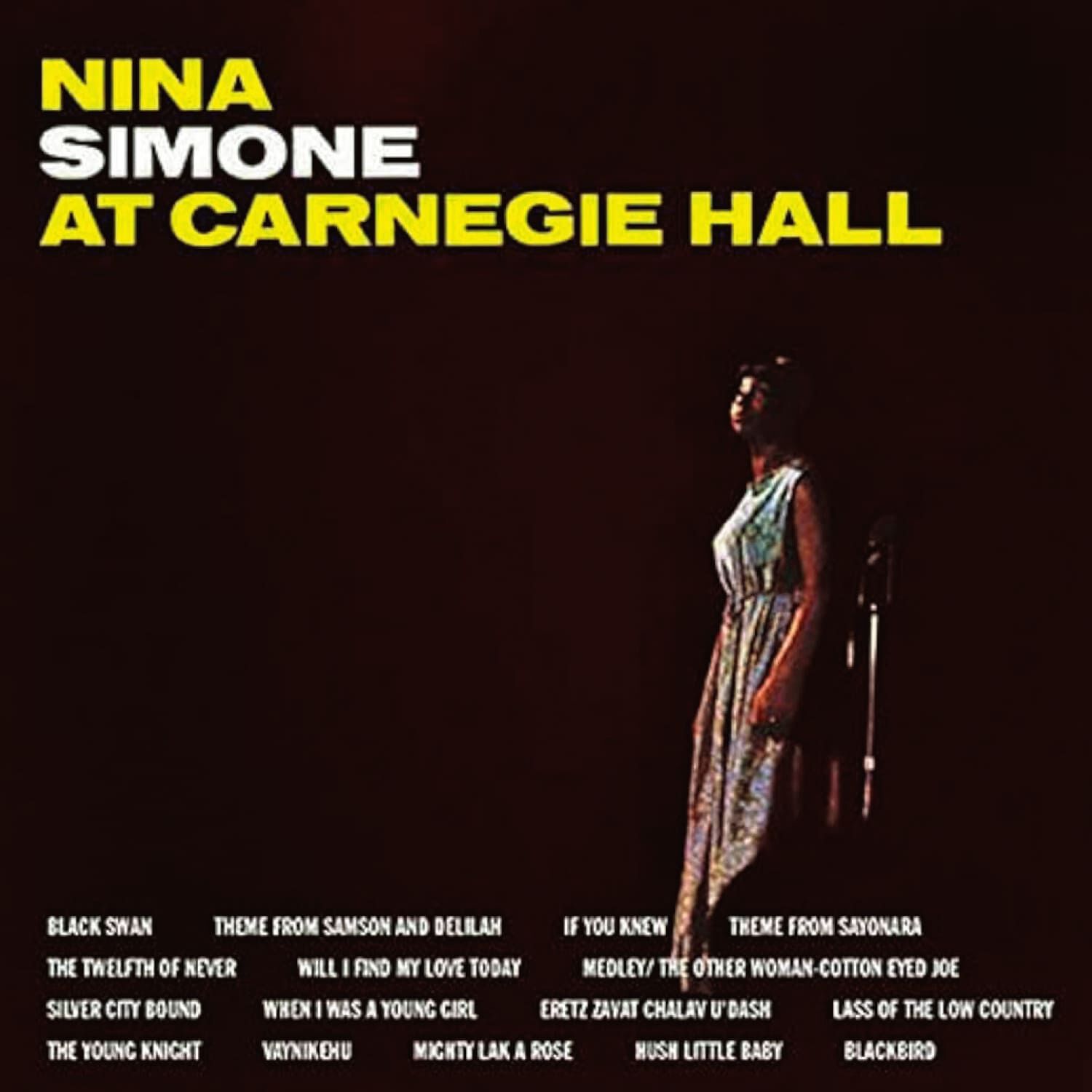
05.

Nina Simone At Carnegie Hall

Nina Simone

Img


03.

Sibelius: Violin Concerto in D Minor, Op. 47

Jascha Heifetz, Chicago Symphony Orchestra & Walter Hendl


Img


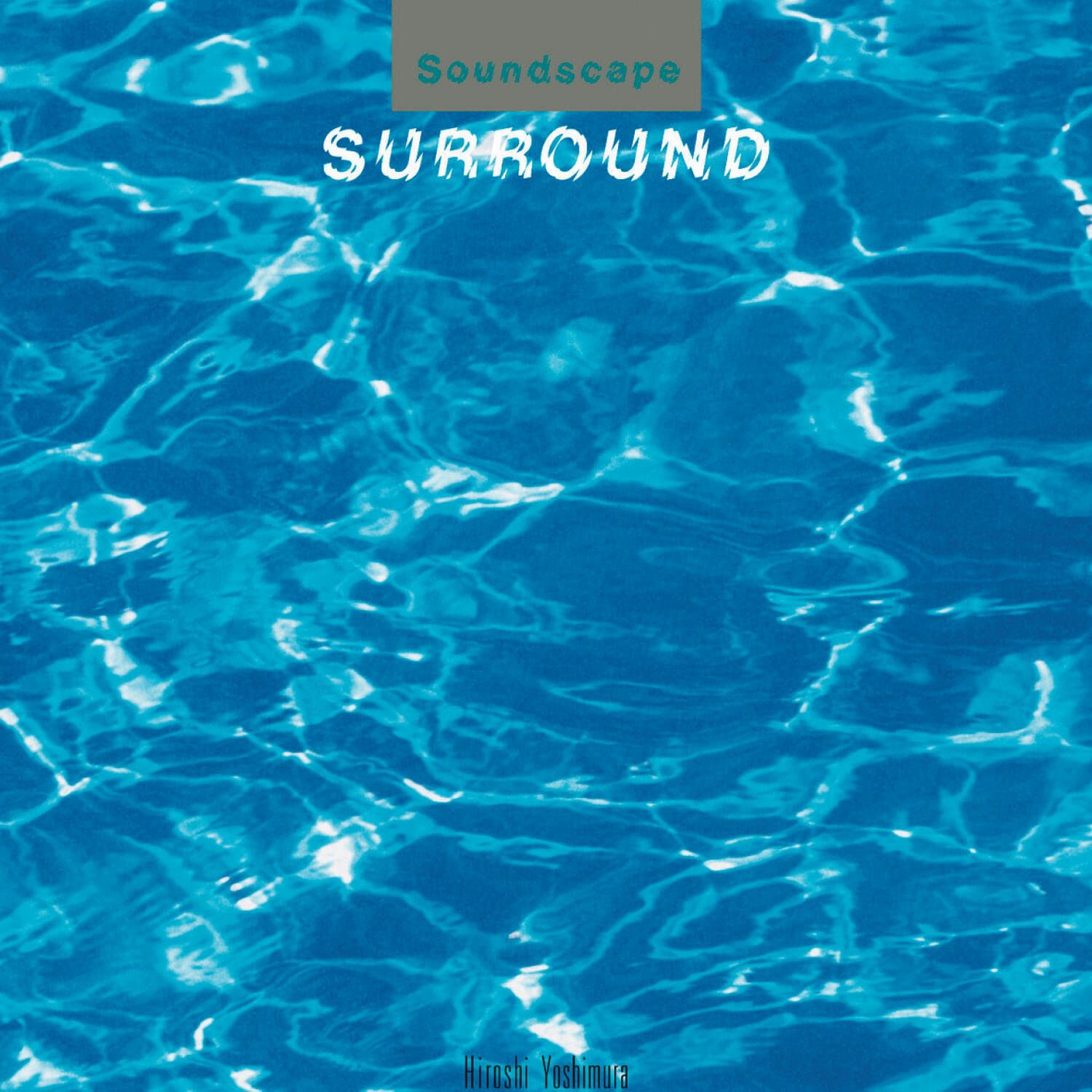
06.

Surround

Hiroshi YoshimuraP05


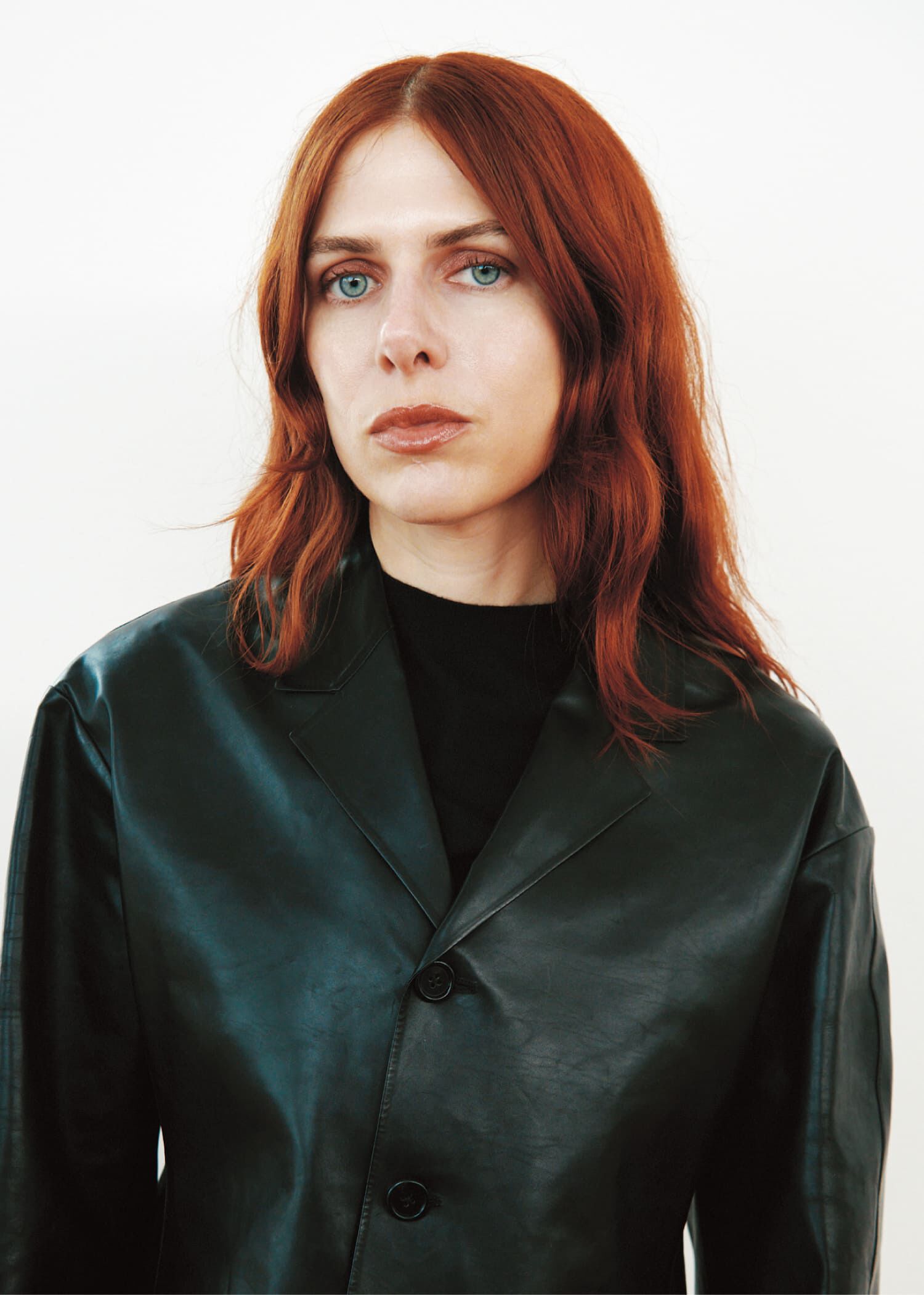
Laurel Halo

Musician

Photography : Marco Lessi
 
 
Laurel Halo


Laurel Halo

Musician

Photography : Marco Lessi
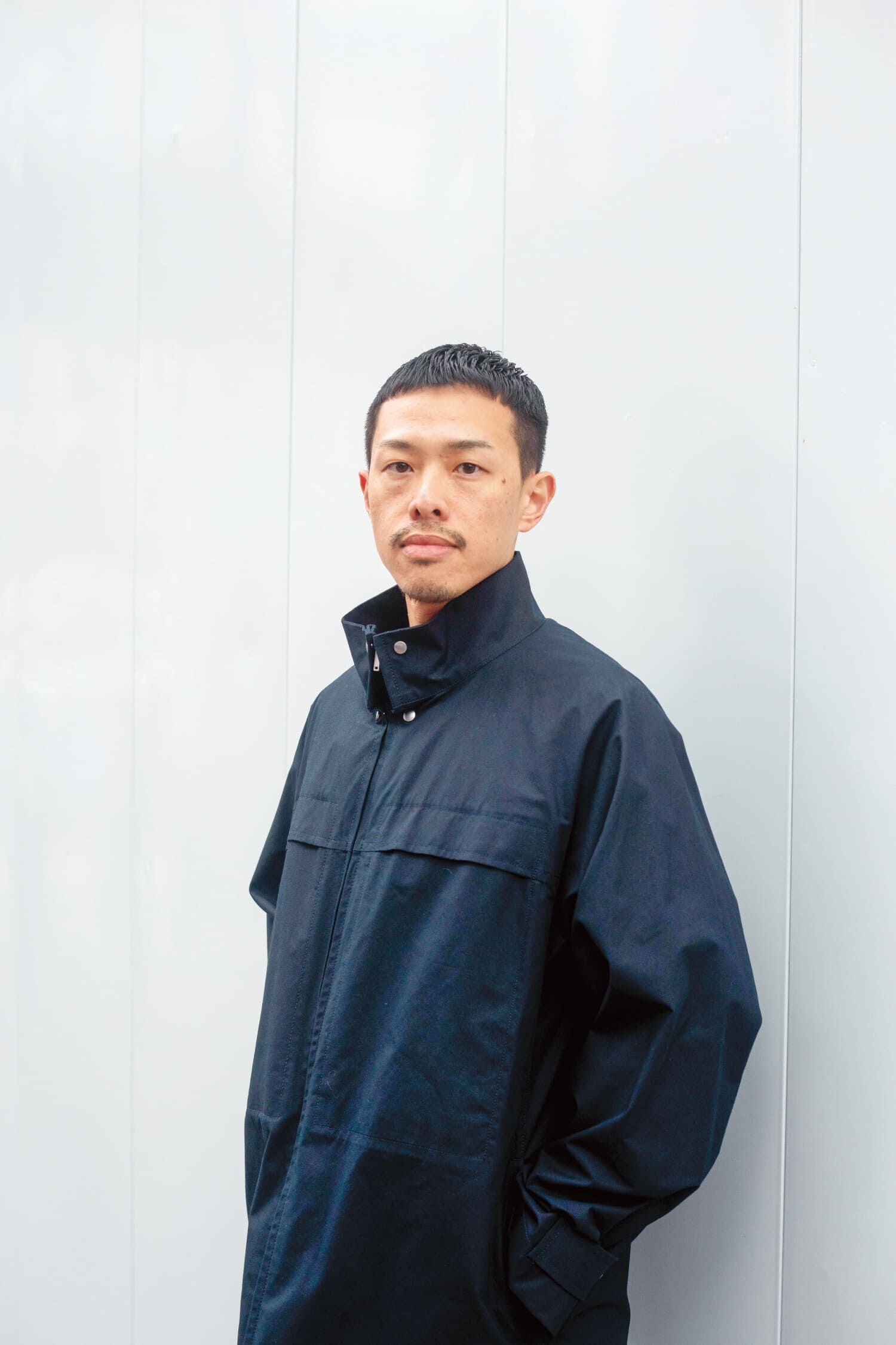


Laurel Halo, based in Detroit, crosses boundaries from electronic music to improvisation and contemporary music, exploring sound as an experience of space and time. The music production for the show began with a dialogue with Creative Director Simone Bellotti.

“We spent quite a lot of time discussing the concept and atmosphere of the show. One axis we considered was minimal structure. However, I didn't want it to be simply stripped down. The challenge was how to let emotional resonances — like strings and acoustic piano — coexist while maintaining a driving rhythm.”

What were the focal points of your creative process for this show? 

“I was very conscious of the difference between composing alone for an album and creating music as part of a larger show. With an album, the music exists independently within a framework of the record, artwork, and narrative. But when I am involved as a composer, what matters is how the music contributes to the overall structure and atmosphere. Creating music that exists within the context of Jil Sander was a very interesting experience. Each piece stands on its own, of course, but it truly comes alive when placed within the fleeting moment of the show.

What is the meaning behind the title "Train"? 

“I named it ‘Train’ because the piece is built from multiple layered patterns that keep shifting little by little. The piano sounds repetitive, but in reality it gradually drifts out of phase. That sensation recalled the experience of riding a train — a feeling of looping, much like music, while the scenery outside is constantly changing. Meanwhile, the mechanism that carries passengers to the next place repeats the same motion. That duality resonated with this piece.”

Laurel Halo, based in Detroit, crosses boundaries from electronic music to improvisation and contemporary music, exploring sound as an experience of space and time. The music production for the show began with a dialogue with Creative Director Simone Bellotti.

“We spent quite a lot of time discussing the concept and atmosphere of the show. One axis we considered was minimal structure. However, I didn't want it to be simply stripped down. The challenge was how to let emotional resonances — like strings and acoustic piano — coexist while maintaining a driving rhythm.”

What were the focal points of your creative process for this show? 

“I was very conscious of the difference between composing alone for an album and creating music as part of a larger show. With an album, the music exists independently within a framework of the record, artwork, and narrative. But when I am involved as a composer, what matters is how the music contributes to the overall structure and atmosphere. Creating music that exists within the context of Jil Sander was a very interesting experience. Each piece stands on its own, of course, but it truly comes alive when placed within the fleeting moment of the show.

What is the meaning behind the title "Train"? 

“I named it ‘Train’ because the piece is built from multiple layered patterns that keep shifting little by little. The piano sounds repetitive, but in reality it gradually drifts out of phase. That sensation recalled the experience of riding a train — a feeling of looping, much like music, while the scenery outside is constantly changing. Meanwhile, the mechanism that carries passengers to the next place repeats the same motion. That duality resonated with this piece.”

What impression did you get from this collection? 

“What struck me most in my conversations with Simone was the idea of 'making the superfluous essential.' The word 'superfluous' usually means something unnecessary, but I found the idea of transforming it into something essential very beautiful. There was a jacket with a generous amount of fabric at the back. Elements are being added, yet it doesn't become decoration — rather, it felt like a questioning of what we consider essential.”

Have you been influenced by Japanese music? 

“I am a huge fan of Hayao Miyazaki, so I also deeply love the music of Joe Hisaishi, and I draw strong inspiration from Japanese music. Ryuichi Sakamoto is a very significant presence for me, particularly when it comes to piano-centered music. In Japanese art I sense an aesthetic that turns its gaze toward impermanence and imperfection. There is also a nostalgia that serves as a medium for memory and encourages you to remain in the present moment — an awareness of existing as a tiny point within a long span of time (what in Japanese might be called ichi-go ichi-e). I did not grow up in Japan, but Joe Hisaishi's music awakens memories of childhood and innocent times. And Ryuichi Sakamoto's music has a quality that is precise yet delicate — I think it carries the very essence of ichi-go ichi-e.”

How do you feel about music in fashion shows? 

“Up to a certain point, music needs to be part of the environment. Sound itself is not the protagonist. Clothing, the body, light, and sound — it is their layering that creates the space of the show. In Jil Sander, I believe music is placed as the element that shapes that quiet layer."

What impression did you get from this collection? 

“What struck me most in my conversations with Simone was the idea of 'making the superfluous essential.' The word 'superfluous' usually means something unnecessary, but I found the idea of transforming it into something essential very beautiful. There was a jacket with a generous amount of fabric at the back. Elements are being added, yet it doesn't become decoration — rather, it felt like a questioning of what we consider essential.”

Have you been influenced by Japanese music? 

“I am a huge fan of Hayao Miyazaki, so I also deeply love the music of Joe Hisaishi, and I draw strong inspiration from Japanese music. Ryuichi Sakamoto is a very significant presence for me, particularly when it comes to piano-centered music. In Japanese art I sense an aesthetic that turns its gaze toward impermanence and imperfection. There is also a nostalgia that serves as a medium for memory and encourages you to remain in the present moment — an awareness of existing as a tiny point within a long span of time (what in Japanese might be called ichi-go ichi-e). I did not grow up in Japan, but Joe Hisaishi's music awakens memories of childhood and innocent times. And Ryuichi Sakamoto's music has a quality that is precise yet delicate — I think it carries the very essence of ichi-go ichi-e.”

How do you feel about music in fashion shows? 

“Up to a certain point, music needs to be part of the environment. Sound itself is not the protagonist. Clothing, the body, light, and sound — it is their layering that creates the space of the show. In Jil Sander, I believe music is placed as the element that shapes that quiet layer."


Takashi Honma photo


Soshi Takeda

Musician

Photography: Katsumi Omori

 
 
Soshi Takeda


Soshi Takeda

Musician

Photography: Katsumi Omori



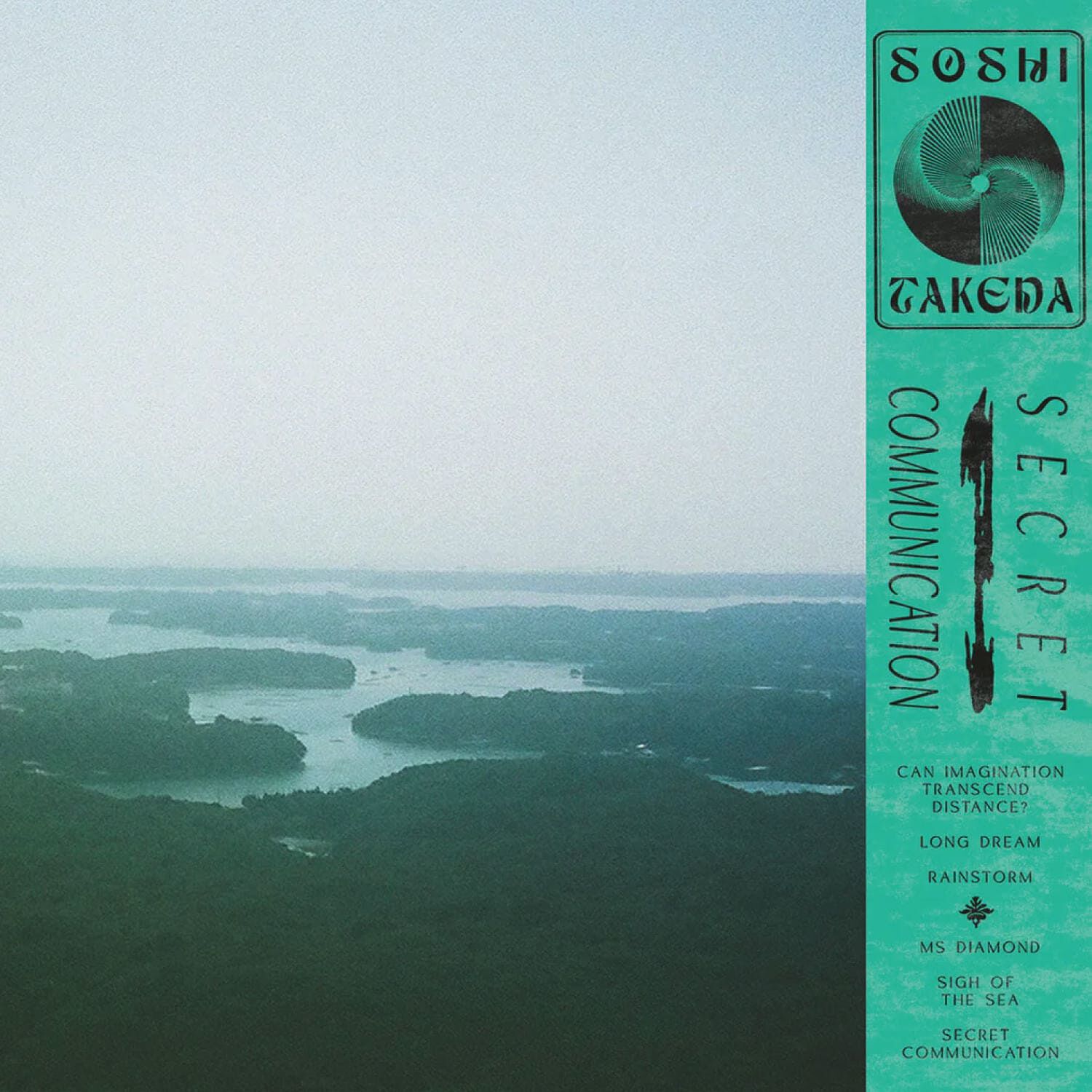
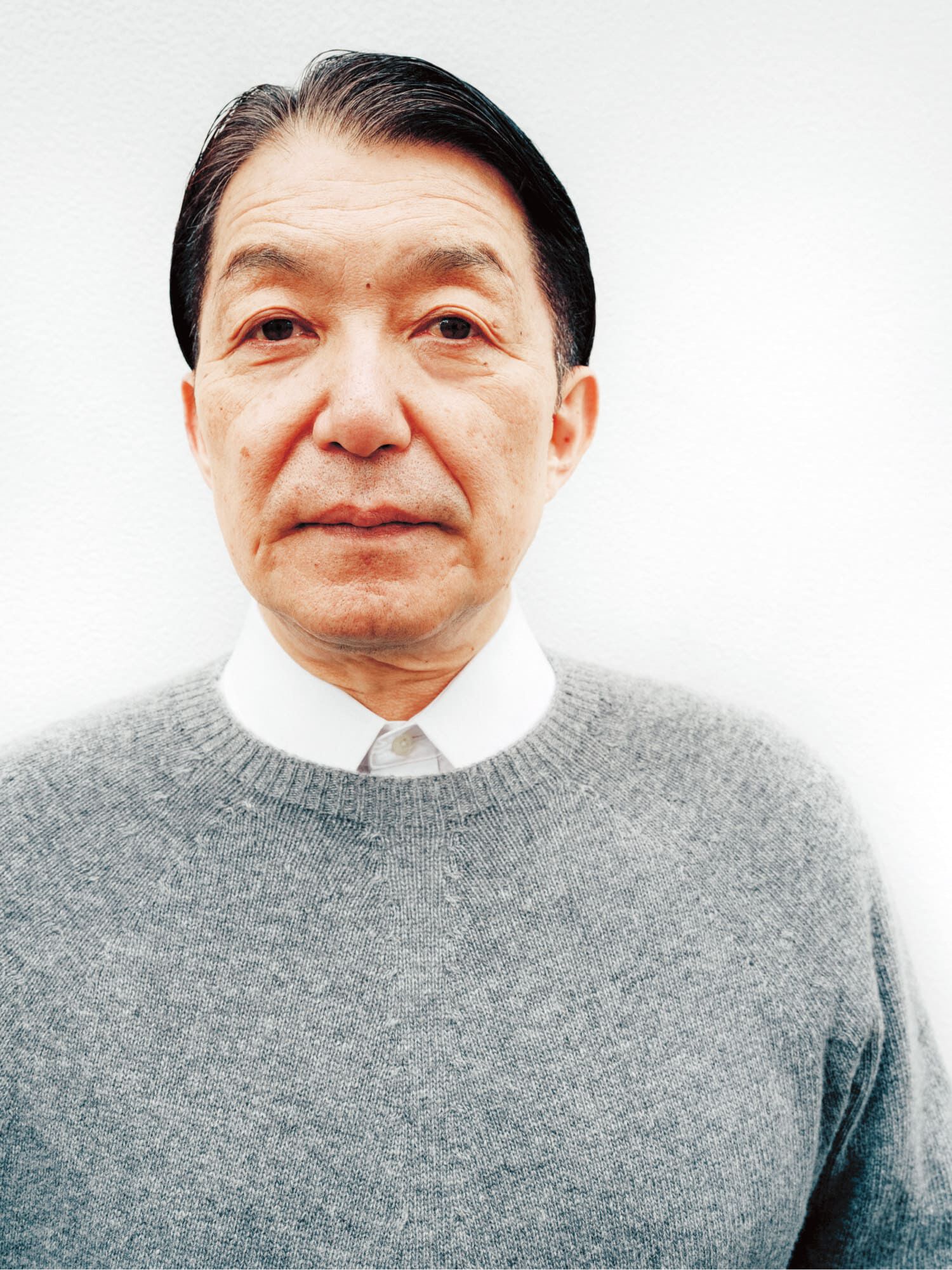
Born in 1988, Soshi Takeda moved from piano — which he began at age four — and school band activities into electronic music. Beneath the melodies of his music, which carries the textures of 1990s deep house, ambient, and chillout, lives an inner landscape imbued with nostalgia and tranquility, as he himself says: “I think I am also influenced by the Friday Roadshow films I watched as a child, and by Joe Hisaishi's various works.”

“The equipment that once filled my room was also part of my identity. But at some point the means became the end, and I began to feel a kind of stagnation — as if I were being controlled by my gear. Influenced by the words of Taro Okamoto, whom I deeply admire — 'Don't accumulate, reduce' — I let go of almost all my vintage equipment last year.”

You chose to abandon physical constraints and embrace overwhelming space. What you stripped away was not only gear; you went so far as to distance yourself from the smartphone, which has become an essential lifeline for people today.

“The trigger was becoming a parent and losing time for myself. Around that time, I looked at my daily screen time and was shocked. I had thought I had so little freedom, but I realized I had simply been pouring an enormous amount of time into the digital sea.”

You describe modern life — constantly connected to some invisible force, with algorithmically optimized information streaming in — as “a state in which someone else holds the reins.”

“I found myself spending more time observing the city and reflecting inwardly, which also became an opportunity to reconsider what I had unconsciously wanted to do and how I wanted to be. It was the first time I realized how drastically my sensitivity — my antenna for grasping the present — had deteriorated.

Born in 1988, Soshi Takeda moved from piano — which he began at age four — and school band activities into electronic music. Beneath the melodies of his music, which carries the textures of 1990s deep house, ambient, and chillout, lives an inner landscape imbued with nostalgia and tranquility, as he himself says: “I think I am also influenced by the Friday Roadshow films I watched as a child, and by Joe Hisaishi's various works.”

“The equipment that once filled my room was also part of my identity. But at some point the means became the end, and I began to feel a kind of stagnation — as if I were being controlled by my gear. Influenced by the words of Taro Okamoto, whom I deeply admire — 'Don't accumulate, reduce' — I let go of almost all my vintage equipment last year.”

You chose to abandon physical constraints and embrace overwhelming space. What you stripped away was not only gear; you went so far as to distance yourself from the smartphone, which has become an essential lifeline for people today.

“The trigger was becoming a parent and losing time for myself. Around that time, I looked at my daily screen time and was shocked. I had thought I had so little freedom, but I realized I had simply been pouring an enormous amount of time into the digital sea.”

You describe modern life — constantly connected to some invisible force, with algorithmically optimized information streaming in — as “a state in which someone else holds the reins.”

“I found myself spending more time observing the city and reflecting inwardly, which also became an opportunity to reconsider what I had unconsciously wanted to do and how I wanted to be. It was the first time I realized how drastically my sensitivity — my antenna for grasping the present — had deteriorated.

Such a drastic detox naturally brought changes to your music as well. Once recognized for an ambient approach, your interest has now shifted toward something more physical and dynamic: trance.

“Ambient music is often expected to serve a function — 'healing' or 'sleep aid.' Or it gets explained through excessive concepts and words. But I don't want to give my music any particular function. I want it to be purely beautiful and to move the emotions of those who listen. I have recently started making time to work out at the gym, and my preferred sounds have been moving in a more energetic direction — but at the core, it is nothing other than an unchanged pursuit of beauty.”

“Picking up only the sounds that are truly necessary within the space created by shutting out digital noise. This is not a retreat from the world, but rather an exceptionally contemporary and luxurious attitude — the act of deciding, by one's own will, what to select and what not to select from the torrent of information.”

“It is through doing nothing that knowledge and experience come to fruition, and the dots connect. By letting go of various things, I was able to understand what inspiration actually is. It feels less like having lost something and more like having shed a shackle. Because there is space, I can find new expressions next. At least, that is how I think about it now."

Such a drastic detox naturally brought changes to your music as well. Once recognized for an ambient approach, your interest has now shifted toward something more physical and dynamic: trance.

“Ambient music is often expected to serve a function — 'healing' or 'sleep aid.' Or it gets explained through excessive concepts and words. But I don't want to give my music any particular function. I want it to be purely beautiful and to move the emotions of those who listen. I have recently started making time to work out at the gym, and my preferred sounds have been moving in a more energetic direction — but at the core, it is nothing other than an unchanged pursuit of beauty.”

“Picking up only the sounds that are truly necessary within the space created by shutting out digital noise. This is not a retreat from the world, but rather an exceptionally contemporary and luxurious attitude — the act of deciding, by one's own will, what to select and what not to select from the torrent of information.”

“It is through doing nothing that knowledge and experience come to fruition, and the dots connect. By letting go of various things, I was able to understand what inspiration actually is. It feels less like having lost something and more like having shed a shackle. Because there is space, I can find new expressions next. At least, that is how I think about it now."


Img
Img
Img


His latest LP, Secret Communication, released in 2024, was produced at his home studio between 2022 and 2023 using hardware from the 1980s and 90s. Fantasy and emotion, intention and inspiration merge into one — light, buoyant bass lines and rich ambience. The album contains six vivid and beautiful tracks.
 
 
Img


About CISCO

 
Cisco Logo

About CISCO

Cisco Logo


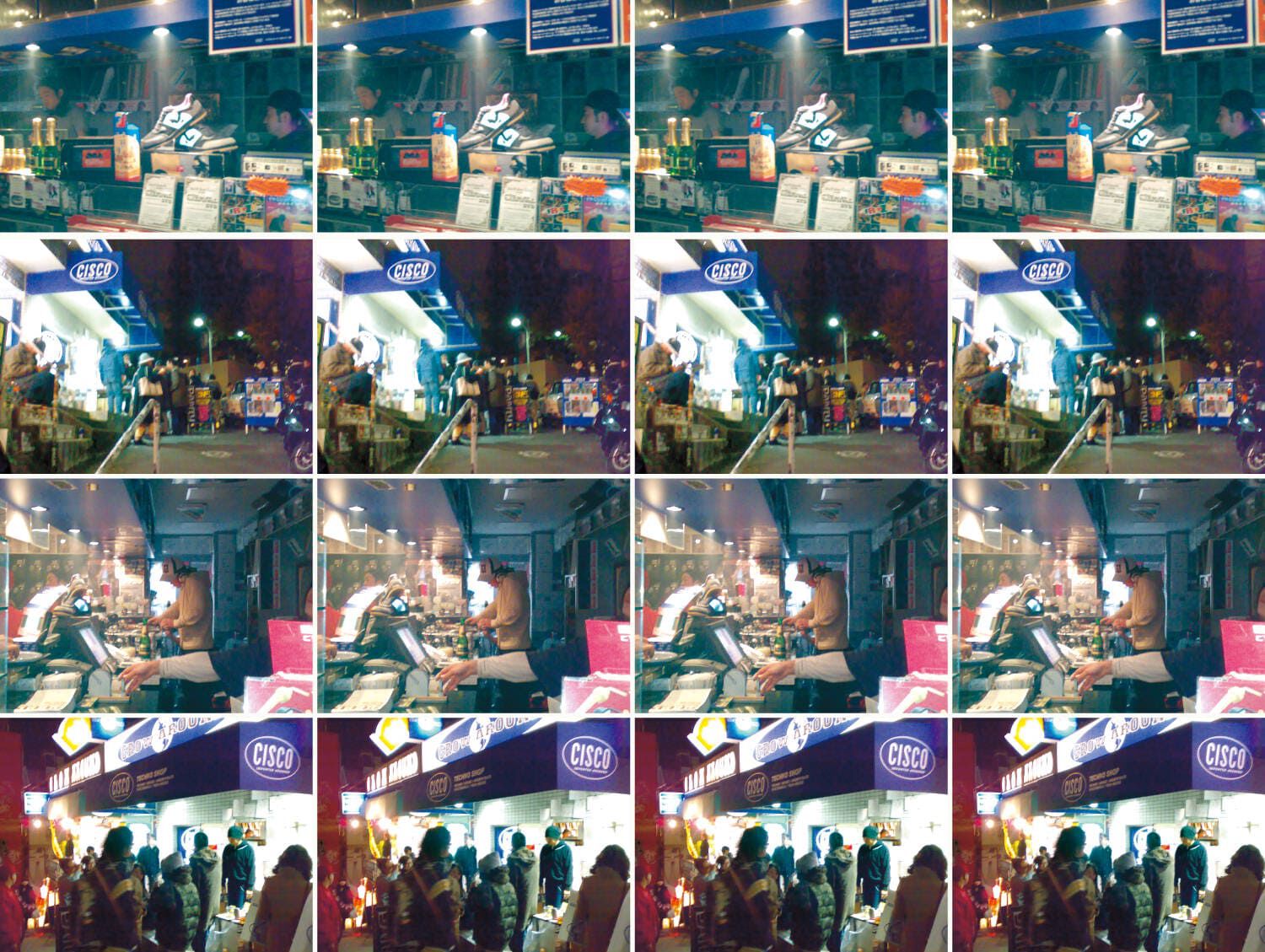
CISCO, returning for a limited time to the art space at JIL SANDER Ginza, was one of Japan's most prestigious record shops. Born in Shibuya in 1970, it supported Japanese youth culture through music as a medium for communication.

When new concept floors aimed at young people opened inside the Seibu department stores in Shibuya and Ikebukuro, CISCO was chosen as the centerpiece of those spaces, where fashion and subculture intersected. Carrying no mainstream pop or Japanese chart music whatsoever, the shop airfreighted imported records of modern jazz and rock that had become hits in Europe and America, placing them on the shelves almost in real time. By the standards of retail at the time, this approach was an extraordinarily avant-garde undertaking. CISCO began to function as something beyond a mere record shop — a rare laboratory where one could encounter the cutting edge of foreign, and even peripheral, cultures.

The store eventually relocated to Udagawacho in Shibuya, becoming an iconic presence deeply intertwined with the fabric of the neighborhood. The fact that the stepped slope leading to the shop came to be known as 'Cisco-zaka' is perhaps the clearest testament to how deeply its existence had been etched into the memory of the city.

The turning point that propelled Shibuya into a record district the world could admire came with the arrival of a major international record chain in 1981. In step with that wave, record shops of all sizes clustered around Udagawacho, and at their peak more than 200 stores lined the streets — a density of energy so remarkable that the area was recognized by Guinness as the city with the most record shops in the world.

As the 1990s arrived, nightclubs began opening one after another in the adjacent Maruyamacho area. DJs and vinyl devotees converged on Shibuya from across Japan and abroad, and on the days new stock arrived, the shops were packed as tightly as a rush-hour train. Among the countless stores competing for attention, the reason CISCO remained singularly iconic was that it functioned as a media hub creating new culture.

CISCO, returning for a limited time to the art space at JIL SANDER Ginza, was one of Japan's most prestigious record shops. Born in Shibuya in 1970, it supported Japanese youth culture through music as a medium for communication.

When new concept floors aimed at young people opened inside the Seibu department stores in Shibuya and Ikebukuro, CISCO was chosen as the centerpiece of those spaces, where fashion and subculture intersected. Carrying no mainstream pop or Japanese chart music whatsoever, the shop airfreighted imported records of modern jazz and rock that had become hits in Europe and America, placing them on the shelves almost in real time. By the standards of retail at the time, this approach was an extraordinarily avant-garde undertaking. CISCO began to function as something beyond a mere record shop — a rare laboratory where one could encounter the cutting edge of foreign, and even peripheral, cultures.

The store eventually relocated to Udagawacho in Shibuya, becoming an iconic presence deeply intertwined with the fabric of the neighborhood. The fact that the stepped slope leading to the shop came to be known as 'Cisco-zaka' is perhaps the clearest testament to how deeply its existence had been etched into the memory of the city.

The turning point that propelled Shibuya into a record district the world could admire came with the arrival of a major international record chain in 1981. In step with that wave, record shops of all sizes clustered around Udagawacho, and at their peak more than 200 stores lined the streets — a density of energy so remarkable that the area was recognized by Guinness as the city with the most record shops in the world.

As the 1990s arrived, nightclubs began opening one after another in the adjacent Maruyamacho area. DJs and vinyl devotees converged on Shibuya from across Japan and abroad, and on the days new stock arrived, the shops were packed as tightly as a rush-hour train. Among the countless stores competing for attention, the reason CISCO remained singularly iconic was that it functioned as a media hub creating new culture.

Even amid that turbulent era, the shop was quick to embrace genre specialization. It developed dedicated stores focused on hip hop, house, and techno, with buyers immersed in each scene continuing to deliver unknown sounds to the streets of Tokyo. In an age before the internet, people who shared the same passion gathered together to exchange music and information — CISCO also served as an open salon for the city.

In the early 2000s, the rapid spread of digital audio and portable music players brought an irresistible tide that swept across the entire music industry. As markets transformed and record shops around the world suffered serious blows, CISCO too closed all of its stores in the winter of 2007, mourned by many. The record shops of Udagawacho fell to less than half their peak number, and one era of passionate enthusiasm drew to a close.

In recent years, however, vinyl records have once again been reappraised, and domestic production figures have made a dramatic recovery. In an age when music is consumed as intangible data, the desire for physical ownership and the essential value of the store as a space are being questioned anew.

JIL SANDER is exploring the relationship between music and environment. CISCO's revival in the Ginza store's art space is not mere nostalgia for the past. The pure joy of encountering unknown music, the communication born from people crossing paths with one another — it is a thoroughly contemporary undertaking that presents those very essentials as something very much alive in the present.


Even amid that turbulent era, the shop was quick to embrace genre specialization. It developed dedicated stores focused on hip hop, house, and techno, with buyers immersed in each scene continuing to deliver unknown sounds to the streets of Tokyo. In an age before the internet, people who shared the same passion gathered together to exchange music and information — CISCO also served as an open salon for the city.

In the early 2000s, the rapid spread of digital audio and portable music players brought an irresistible tide that swept across the entire music industry. As markets transformed and record shops around the world suffered serious blows, CISCO too closed all of its stores in the winter of 2007, mourned by many. The record shops of Udagawacho fell to less than half their peak number, and one era of passionate enthusiasm drew to a close.

In recent years, however, vinyl records have once again been reappraised, and domestic production figures have made a dramatic recovery. In an age when music is consumed as intangible data, the desire for physical ownership and the essential value of the store as a space are being questioned anew.

JIL SANDER is exploring the relationship between music and environment. CISCO's revival in the Ginza store's art space is not mere nostalgia for the past. The pure joy of encountering unknown music, the communication born from people crossing paths with one another — it is a thoroughly contemporary undertaking that presents those very essentials as something very much alive in the present.


Hiroyasu Sato

Speaker Designer

Photography: Ian Lanterman
 
 
Hiroyasu Sato


Yutaka Hirose

Musician

Photography: Katsumi Omori



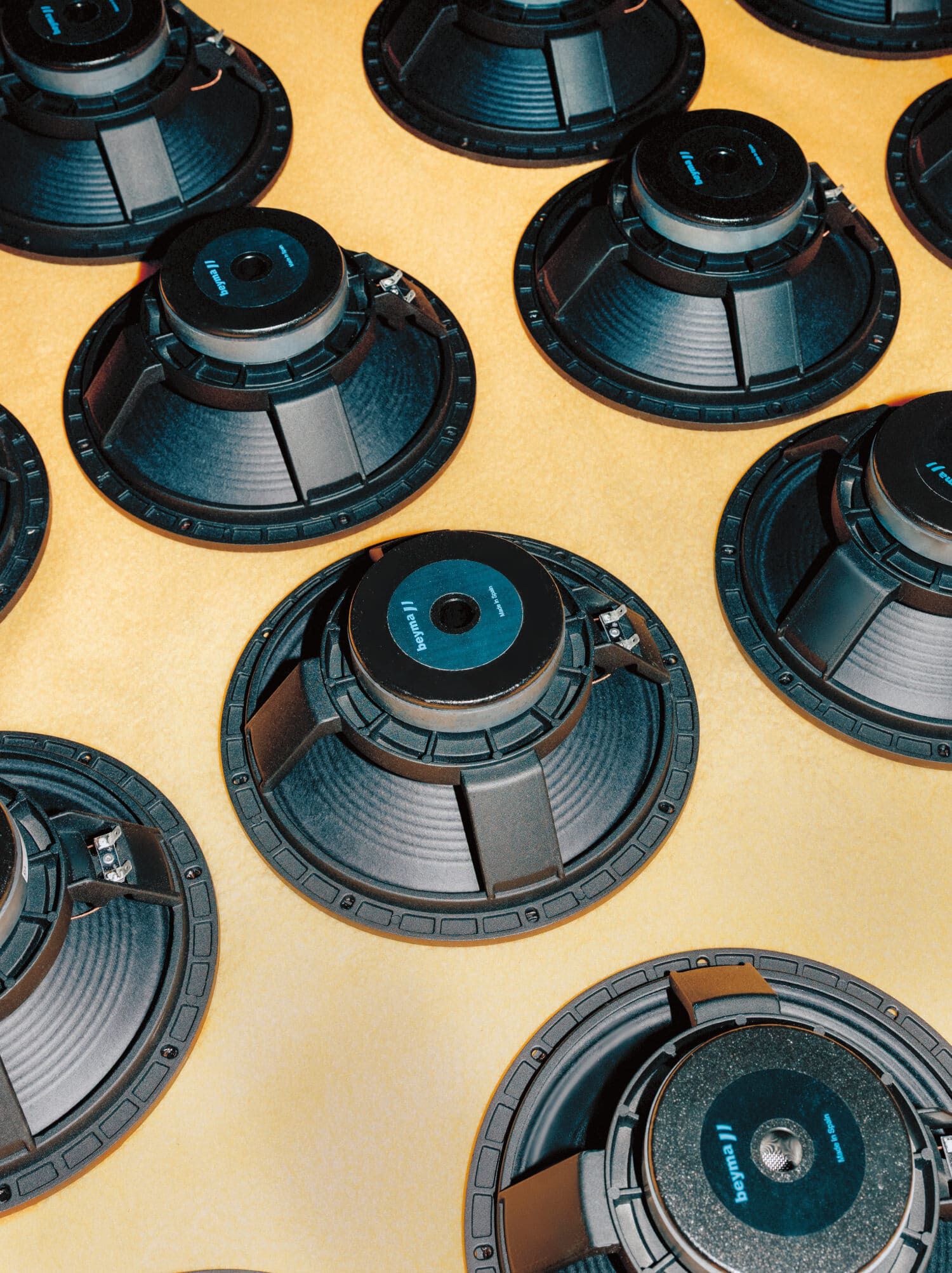
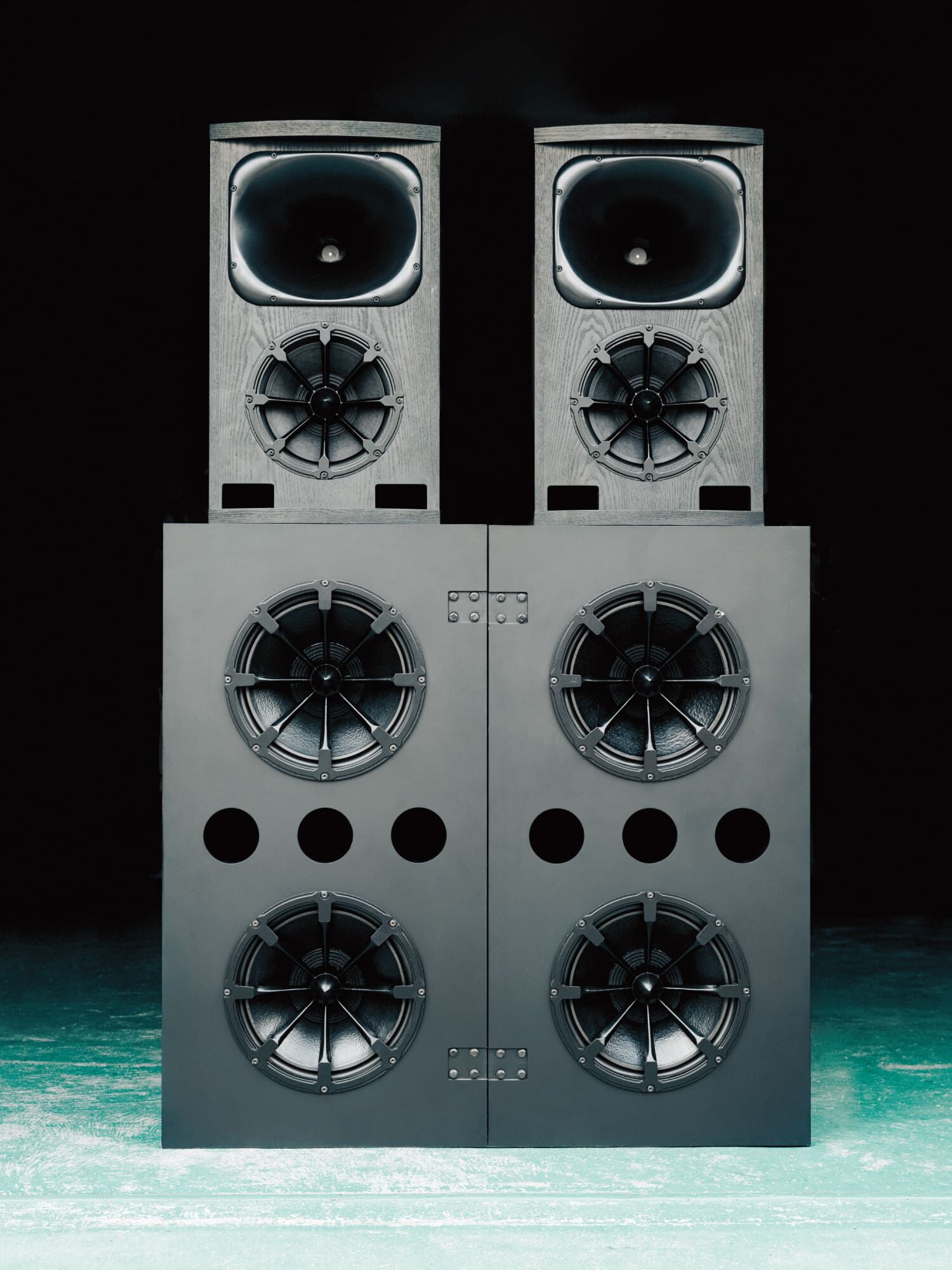
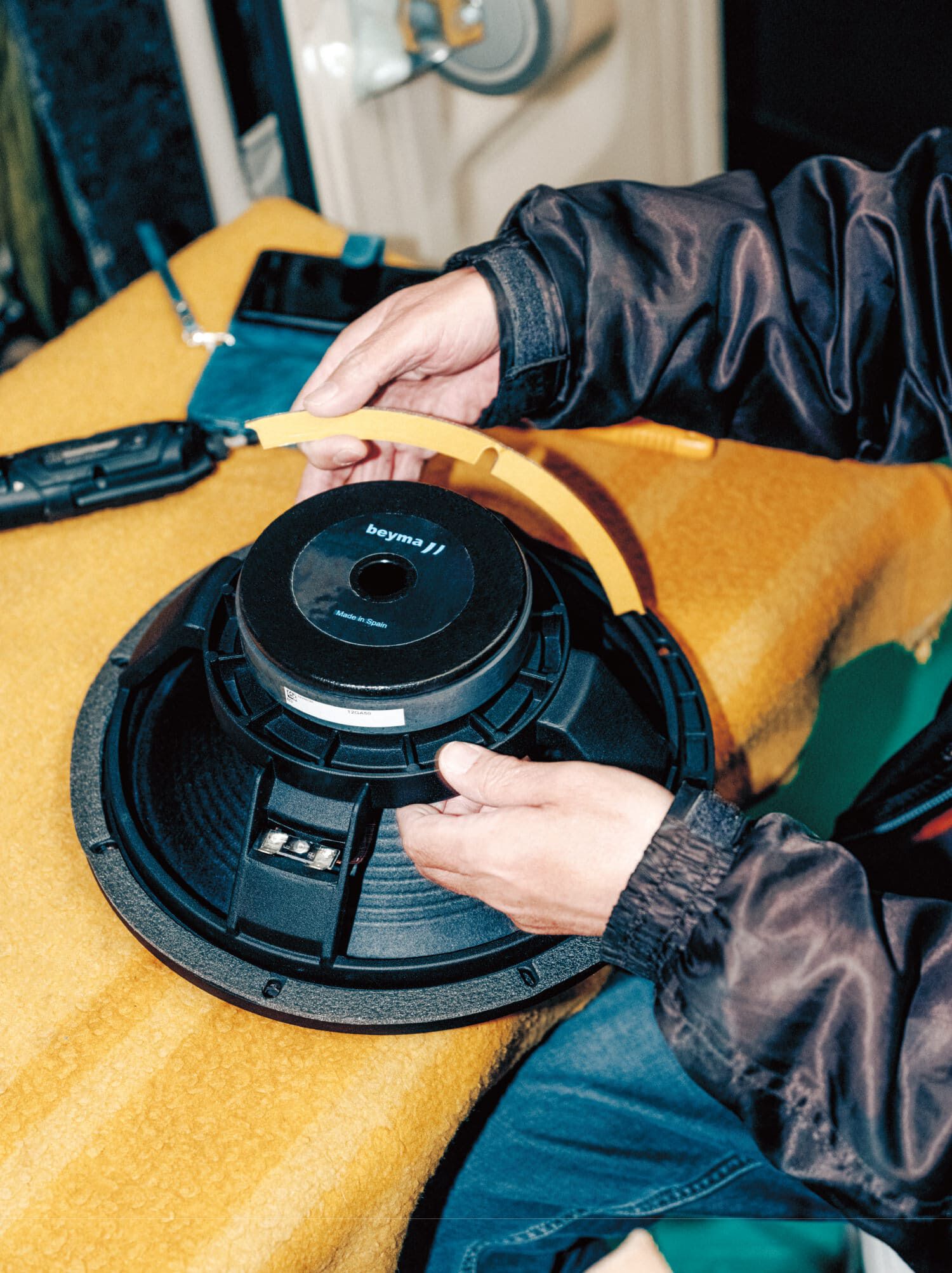
Speaker designer Hiroyasu Sato founded Eastern Sound Factory (hereafter ESF) in 2001, designing spaces through the discipline of acoustics. His ideal is the creation of accurate sound that makes the listener forget the speakers are even there.

“Having loved music since childhood, I naturally found my way into the world of acoustics. I originally worked for an American company dealing in sound systems, but wanting to create sound that truly satisfied me, I became independent in 2001 and established ESF. In addition to designing acoustic equipment and spaces, ESF also serves as an import agency for audio equipment. In pursuing my own ideal, I had the chance to meet the late Ryuichi Sakamoto. He took a great liking to the speakers made by the German company musikelectronic geithain, for which ESF serves as import agent, and that is where my relationship with Sakamoto began. I came to support the acoustics for various installations, tours, and other projects.”

“His requirements were simple: he wanted something that made you forget the speakers existed. Achieving that demands both the performance of the product and a high level of skill in designing the system. How do you efface the presence of quality speakers and a well-designed system while still making the most of them? Sakamoto spoke to both sides of that question, but his fundamental belief was that a piano should simply sound like a piano. I have done everything within my power to realize what he asked for.”


Speaker designer Hiroyasu Sato founded Eastern Sound Factory (hereafter ESF) in 2001, designing spaces through the discipline of acoustics. His ideal is the creation of accurate sound that makes the listener forget the speakers are even there.

“Having loved music since childhood, I naturally found my way into the world of acoustics. I originally worked for an American company dealing in sound systems, but wanting to create sound that truly satisfied me, I became independent in 2001 and established ESF. In addition to designing acoustic equipment and spaces, ESF also serves as an import agency for audio equipment. In pursuing my own ideal, I had the chance to meet the late Ryuichi Sakamoto. He took a great liking to the speakers made by the German company musikelectronic geithain, for which ESF serves as import agent, and that is where my relationship with Sakamoto began. I came to support the acoustics for various installations, tours, and other projects.”

“His requirements were simple: he wanted something that made you forget the speakers existed. Achieving that demands both the performance of the product and a high level of skill in designing the system. How do you efface the presence of quality speakers and a well-designed system while still making the most of them? Sakamoto spoke to both sides of that question, but his fundamental belief was that a piano should simply sound like a piano. I have done everything within my power to realize what he asked for.”

“The turning point came in 2018, with a commission from TOHO Cinemas. For both myself and the ESF staff, building speakers for a cinema was an entirely new experience, and there was some trepidation — but when they were installed in the main theater, Screen 1 of TOHO Cinemas Hibiya, I was filled with a profound sense of achievement. As commissions for cinema speaker design continued to grow, I also became involved in '109 Cinemas Premium Shinjuku,' the cinema whose acoustics Sakamoto supervised. When I was able to recreate the space guided by his motto of 'unclouded, accurate sound,' I had the sensation of being able to grasp the sound itself. That was the moment I felt I had achieved the sound I had always been striving for.”

“As an aside, the sound playing in the lobby of 109 Cinemas Premium Shinjuku was designed by Sakamoto. What he aimed for was sound that would offset the sensory state of those arriving at the cinema — the noise of travel, the noise emanating from Shinjuku, from the streets of Kabukicho. The intention was to use the lobby sound to clear away all the noise people had accumulated on their way there, so that they could arrive at a clean, open state and fully immerse themselves in the film."

“The turning point came in 2018, with a commission from TOHO Cinemas. For both myself and the ESF staff, building speakers for a cinema was an entirely new experience, and there was some trepidation — but when they were installed in the main theater, Screen 1 of TOHO Cinemas Hibiya, I was filled with a profound sense of achievement. As commissions for cinema speaker design continued to grow, I also became involved in '109 Cinemas Premium Shinjuku,' the cinema whose acoustics Sakamoto supervised. When I was able to recreate the space guided by his motto of 'unclouded, accurate sound,' I had the sensation of being able to grasp the sound itself. That was the moment I felt I had achieved the sound I had always been striving for.”

“As an aside, the sound playing in the lobby of 109 Cinemas Premium Shinjuku was designed by Sakamoto. What he aimed for was sound that would offset the sensory state of those arriving at the cinema — the noise of travel, the noise emanating from Shinjuku, from the streets of Kabukicho. The intention was to use the lobby sound to clear away all the noise people had accumulated on their way there, so that they could arrive at a clean, open state and fully immerse themselves in the film."


Img
Img
Img
Img


What does 'good sound' mean to you?

“I am drawn to sound whose decay is beautiful. I love instruments that can express that — strings, piano. When designing speakers, capturing the beauty of a fading sound with real fidelity is extremely difficult, but when it comes together as I had envisioned, I feel a genuine elation.”

“The good sound, the beautiful sound I sense, exists in the nature around us too. For instance, while staying in Kanazawa recently and walking around the hotel, I came across a small irrigation channel running alongside an alley. An enormous volume of water was flowing through it with tremendous pressure, and the sound was extraordinarily beautiful. Encounters and discoveries like that I always record. Strictly speaking, the moment you record something it already differs from the actual sound, but I capture it purely as a trigger for memory.”

Does the ambient sound of daily life become a source of motivation or inspiration for your work?

“As I mentioned, music has been close to me since childhood. If there is a piano in front of me I will play it; if there is a guitar I will pick it up. Yet there is no creative drive or sense of mission behind it. Perhaps 'not thinking about anything' comes closest to describing it. Even so, looking at a score brings a sense of calm.”

What does 'good sound' mean to you?

“I am drawn to sound whose decay is beautiful. I love instruments that can express that — strings, piano. When designing speakers, capturing the beauty of a fading sound with real fidelity is extremely difficult, but when it comes together as I had envisioned, I feel a genuine elation.”

“The good sound, the beautiful sound I sense, exists in the nature around us too. For instance, while staying in Kanazawa recently and walking around the hotel, I came across a small irrigation channel running alongside an alley. An enormous volume of water was flowing through it with tremendous pressure, and the sound was extraordinarily beautiful. Encounters and discoveries like that I always record. Strictly speaking, the moment you record something it already differs from the actual sound, but I capture it purely as a trigger for memory.”

Does the ambient sound of daily life become a source of motivation or inspiration for your work?

“As I mentioned, music has been close to me since childhood. If there is a piano in front of me I will play it; if there is a guitar I will pick it up. Yet there is no creative drive or sense of mission behind it. Perhaps 'not thinking about anything' comes closest to describing it. Even so, looking at a score brings a sense of calm.”

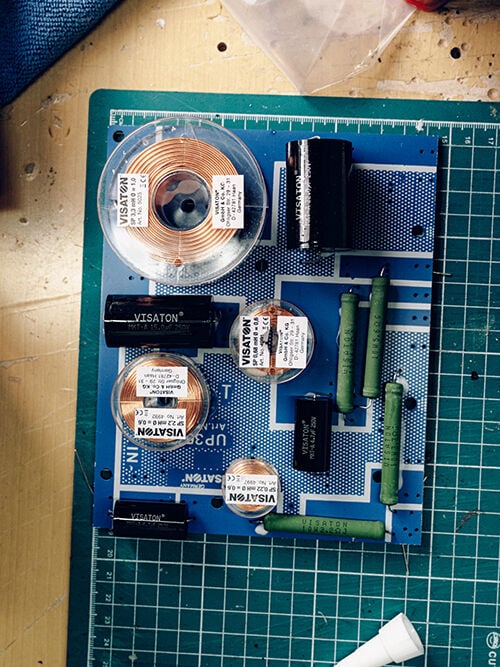
“I also love the time I spend designing speakers. Simulating what sound will emerge if I add this component and apply this load, sketching it out on scraps of paper like a doodle, then translating it into a technical drawing on the computer — somewhere within that process I can predict to a degree whether a good sound will result. The feeling of looking at a beautiful technical drawing and looking at a beautiful musical score may well be the same.”

You were responsible for the acoustics at JIL SANDER Ginza. What kind of sound were you aiming for?

“As you know, it is a wonderful space. The products placed here matter enormously, but what I cared about most as a speaker designer was what this space is trying to express. I aimed for a sound through which the worldview and ideals that the people of JIL SANDER hold dear could be felt."

“I also love the time I spend designing speakers. Simulating what sound will emerge if I add this component and apply this load, sketching it out on scraps of paper like a doodle, then translating it into a technical drawing on the computer — somewhere within that process I can predict to a degree whether a good sound will result. The feeling of looking at a beautiful technical drawing and looking at a beautiful musical score may well be the same.”

You were responsible for the acoustics at JIL SANDER Ginza. What kind of sound were you aiming for?

“As you know, it is a wonderful space. The products placed here matter enormously, but what I cared about most as a speaker designer was what this space is trying to express. I aimed for a sound through which the worldview and ideals that the people of JIL SANDER hold dear could be felt."


Img


Yutaka Hirose

Musician

Photography: Katsumi Omori
 
 
Img


Yutaka Hirose

Musician

Photography: Katsumi Omori


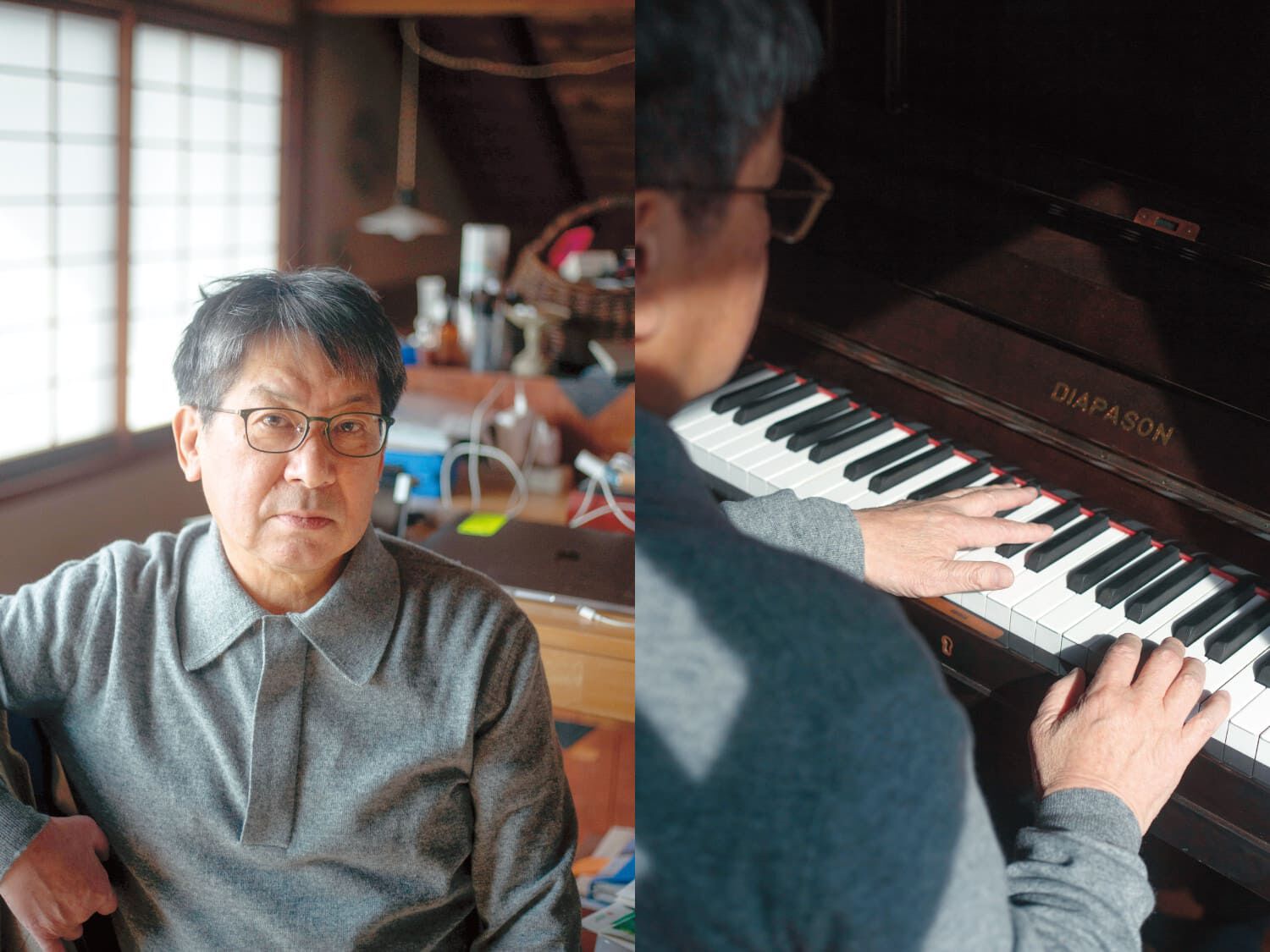
Yutaka Hirose's NOVA is remembered as a significant work that incorporated environmental sound itself, treating it on equal terms with performance.

“The music scene of the late 1970s, when I began my musical activities, developed in a way that connected short-note music — like John Cage's In a Landscape, or the early work of Erik Satie and Morton Feldman — with Brian Eno. Then in the 1980s, ambient music approached from the pop side emerged, with artists like Haruomi Hosono. As the two currents merged, genres diversified, with labels such as healing and new age being applied.”

“The company I was part of, Sound Process Design, was involved from the design stage in structuring how sound would function within facilities such as museums and art galleries. The aim was less to make music than to create sound that becomes air. The way sound is added to a space — for instance, if a ten-minute tape is playing on a loop and you layer a twelve-minute tape over it, the way they overlap gradually shifts. You have to think about that effect so it does not become dissonance. The sounds heard in nature are never just one. Wind, voices, all manner of sounds — you compose them as a structure. NOVA was born out of that way of thinking.”

“The times were also on my side. Simply put, there was money in the world. So there were many commissions asking not for ready-made background music but for 'music made for this place alone.' That meant a great deal of creative freedom.”

Yutaka Hirose's NOVA is remembered as a significant work that incorporated environmental sound itself, treating it on equal terms with performance.

“The music scene of the late 1970s, when I began my musical activities, developed in a way that connected short-note music — like John Cage's In a Landscape, or the early work of Erik Satie and Morton Feldman — with Brian Eno. Then in the 1980s, ambient music approached from the pop side emerged, with artists like Haruomi Hosono. As the two currents merged, genres diversified, with labels such as healing and new age being applied.”

“The company I was part of, Sound Process Design, was involved from the design stage in structuring how sound would function within facilities such as museums and art galleries. The aim was less to make music than to create sound that becomes air. The way sound is added to a space — for instance, if a ten-minute tape is playing on a loop and you layer a twelve-minute tape over it, the way they overlap gradually shifts. You have to think about that effect so it does not become dissonance. The sounds heard in nature are never just one. Wind, voices, all manner of sounds — you compose them as a structure. NOVA was born out of that way of thinking.”

“The times were also on my side. Simply put, there was money in the world. So there were many commissions asking not for ready-made background music but for 'music made for this place alone.' That meant a great deal of creative freedom.”

Could Japanese ambient music be seen as a symbol of music born from abundance?

“Perhaps. A high degree of freedom meant our proposals were more likely to be accepted. There was also a tolerance for noise, not just beauty. It is music for space — not simply songs with rhythm and melody.”

“NOVA came about when a residential company asked whether I could create music combining natural sounds and environmental sounds. It followed Hiroshi Yoshimura's Surround. At the time I was working with 'healing' as my theme, but I gradually began to feel a sense of unease. Natural sound must express not only beauty but also fear. I began thinking about how to incorporate a sense of reverence — the kind one feels toward shrines and temples — and my musical direction changed. What are the sounds you hear when you climb a mountain alone and enter a forest? They are not only comfortable ones. How to grasp the conceptual dimension lurking within beauty led me toward spatial sound, and from that NOSTALGHIA was born.”

“Brian Eno's Music for Airports created sound for the space of an airport. My own view is that he simply categorized himself within the genre of ambient, and that no clear definition actually exists. I have no intention of insisting my own music is ambient either. Without playing an instrument or singing, it is a matter of how you combine sounds to construct a space — perhaps something like assembling a three-dimensional patchwork."

Could Japanese ambient music be seen as a symbol of music born from abundance?

“Perhaps. A high degree of freedom meant our proposals were more likely to be accepted. There was also a tolerance for noise, not just beauty. It is music for space — not simply songs with rhythm and melody.”

“NOVA came about when a residential company asked whether I could create music combining natural sounds and environmental sounds. It followed Hiroshi Yoshimura's Surround. At the time I was working with 'healing' as my theme, but I gradually began to feel a sense of unease. Natural sound must express not only beauty but also fear. I began thinking about how to incorporate a sense of reverence — the kind one feels toward shrines and temples — and my musical direction changed. What are the sounds you hear when you climb a mountain alone and enter a forest? They are not only comfortable ones. How to grasp the conceptual dimension lurking within beauty led me toward spatial sound, and from that NOSTALGHIA was born.”

“Brian Eno's Music for Airports created sound for the space of an airport. My own view is that he simply categorized himself within the genre of ambient, and that no clear definition actually exists. I have no intention of insisting my own music is ambient either. Without playing an instrument or singing, it is a matter of how you combine sounds to construct a space — perhaps something like assembling a three-dimensional patchwork."


Img
 
 
Img

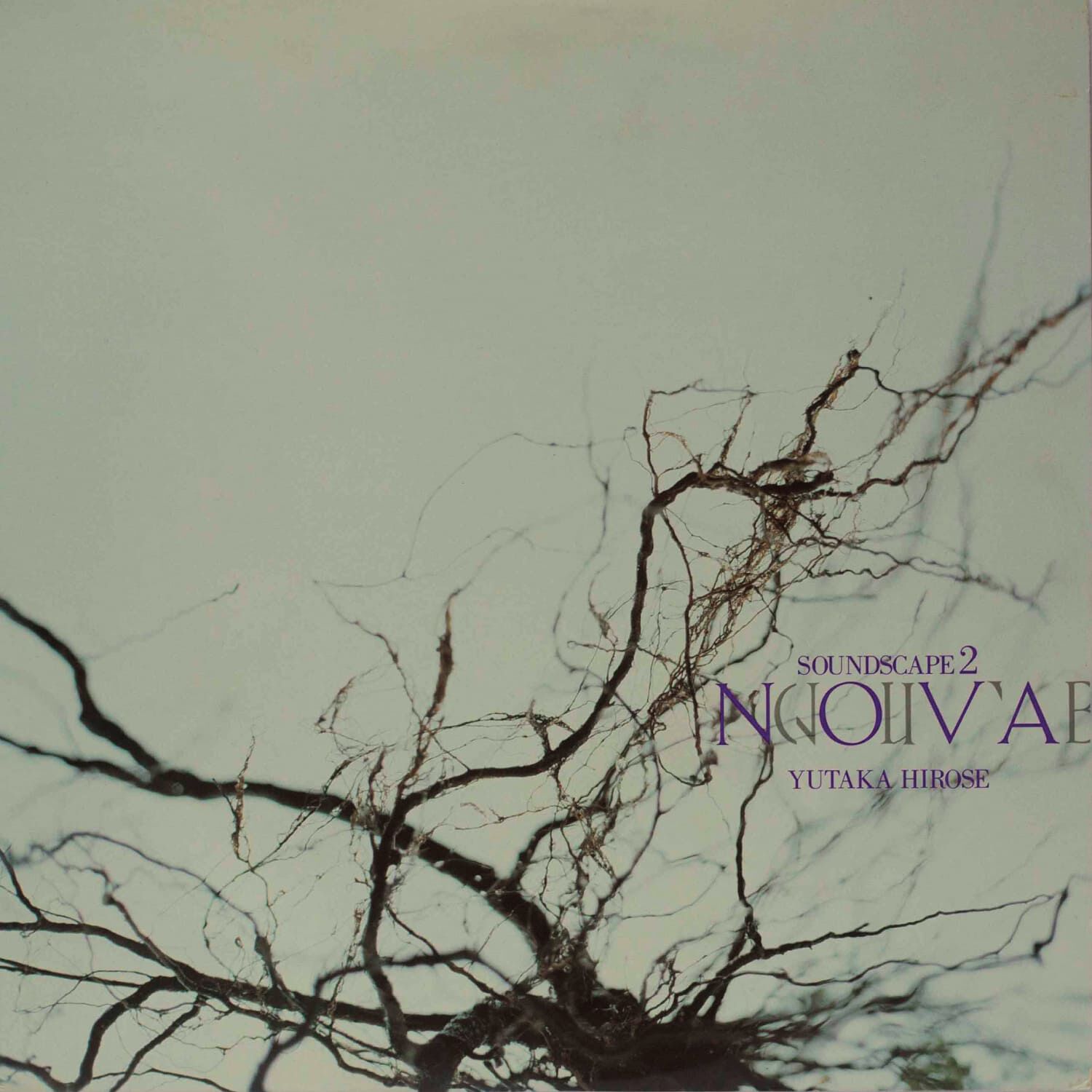
NOVA was originally released in 1986 as the second installment of 'Soundscape,' an environmental music series organized by Misawa Home Research Institute. In 2019, the Swiss label WRWTFWW Records released a double LP featuring many previously unreleased tracks not included on the original recording.

Img
Img


NOVA was originally released in 1986 as the second installment of 'Soundscape,' an environmental music series organized by Misawa Home Research Institute. In 2019, the Swiss label WRWTFWW Records released a double LP featuring many previously unreleased tracks not included on the original recording.


Ruggero Pietromarchi

Music Supervisor

Photography: Marco Lessi


Ruggero Petromarchi


Ruggero Pietromarchi

Music Supervisor

Photography : Marco Lessi


Ruggero Pietromarchi began his music career at the age of 22 as assistant manager to Italian composer and pianist Ludovico Einaudi. Having collaborated with many outstanding musicians and creatives, he now runs his own production company and music festival. At JIL SANDER he serves as music advisor, responsible for building the brand's sonic identity.

“Even while working under Ludovico alongside legendary musicians, I was always drawn to experimental music — not limited to electronic music, but interested in new approaches across every field, from jazz to folk.”

“I came to know Simone Bellotti through a mutual friend, and we have crossed paths on various occasions since. When he was creative director at Bally, he asked me to develop the sound for a show held at Torre Velasca in Milan. His vision, his aesthetic approach to work, and the spatial setting of that brutalist architecture resonated perfectly with my own sensibility for building a sound that fused minimal techno and ambient. It was an enormously stimulating experience.”

What is the significance of merging fashion and music?

“My work lies in connecting music and environment. And fashion, too, is an environment — a culture. The richer the vision and culture embedded in Simone's work, the less difficult the process of combining fashion and music becomes.”

Ruggero Pietromarchi began his music career at the age of 22 as assistant manager to Italian composer and pianist Ludovico Einaudi. Having collaborated with many outstanding musicians and creatives, he now runs his own production company and music festival. At JIL SANDER he serves as music advisor, responsible for building the brand's sonic identity.

“Even while working under Ludovico alongside legendary musicians, I was always drawn to experimental music — not limited to electronic music, but interested in new approaches across every field, from jazz to folk.”

“I came to know Simone Bellotti through a mutual friend, and we have crossed paths on various occasions since. When he was creative director at Bally, he asked me to develop the sound for a show held at Torre Velasca in Milan. His vision, his aesthetic approach to work, and the spatial setting of that brutalist architecture resonated perfectly with my own sensibility for building a sound that fused minimal techno and ambient. It was an enormously stimulating experience.”

What is the significance of merging fashion and music?

“My work lies in connecting music and environment. And fashion, too, is an environment — a culture. The richer the vision and culture embedded in Simone's work, the less difficult the process of combining fashion and music becomes.”

What kind of music do you enjoy in daily life, and in what kind of environment?

“I love records and own somewhere between three and four thousand of them. They are not only useful for work — they are a source of inspiration for life and carry great meaning. Above all, sharing the collection with my one-year-old daughter Elettra is a profoundly meaningful experience. We listen together to rock like Fleetwood Mac and Cat Stevens, contemporary electronics like Aphex Twin, and classical music from Chopin to Debussy.”

“I don't know the entirety of Aphex Twin's vast output, but I deeply love the diversity of his production styles and expressions — from radical tracks to outstanding experimental ambient works. His collaborations and remixes with Steve Reich and Philip Glass are wonderful too. He is also an important figure for the independent stance he holds toward the industry. The way he builds a community of artists around his own label and a unified aesthetic is something I find greatly inspiring.”

If you were to sum up what music means to JIL SANDER in a single word?

Our role is to gain insight into what Simone is trying to express through music at this very moment we are living in, into the currents of contemporary music, and into what is happening at a social and political level — and to convey all of that as sound. We also want to communicate what those sensitive, perceptive creators called artists feel every day. In that sense, the word that best fits what music means to JIL SANDER is 'NOW.'"


What kind of music do you enjoy in daily life, and in what kind of environment?

“I love records and own somewhere between three and four thousand of them. They are not only useful for work — they are a source of inspiration for life and carry great meaning. Above all, sharing the collection with my one-year-old daughter Elettra is a profoundly meaningful experience. We listen together to rock like Fleetwood Mac and Cat Stevens, contemporary electronics like Aphex Twin, and classical music from Chopin to Debussy.”

“I don't know the entirety of Aphex Twin's vast output, but I deeply love the diversity of his production styles and expressions — from radical tracks to outstanding experimental ambient works. His collaborations and remixes with Steve Reich and Philip Glass are wonderful too. He is also an important figure for the independent stance he holds toward the industry. The way he builds a community of artists around his own label and a unified aesthetic is something I find greatly inspiring.”

If you were to sum up what music means to JIL SANDER in a single word?

Our role is to gain insight into what Simone is trying to express through music at this very moment we are living in, into the currents of contemporary music, and into what is happening at a social and political level — and to convey all of that as sound. We also want to communicate what those sensitive, perceptive creators called artists feel every day. In that sense, the word that best fits what music means to JIL SANDER is 'NOW.'"


Img
 
 
Img


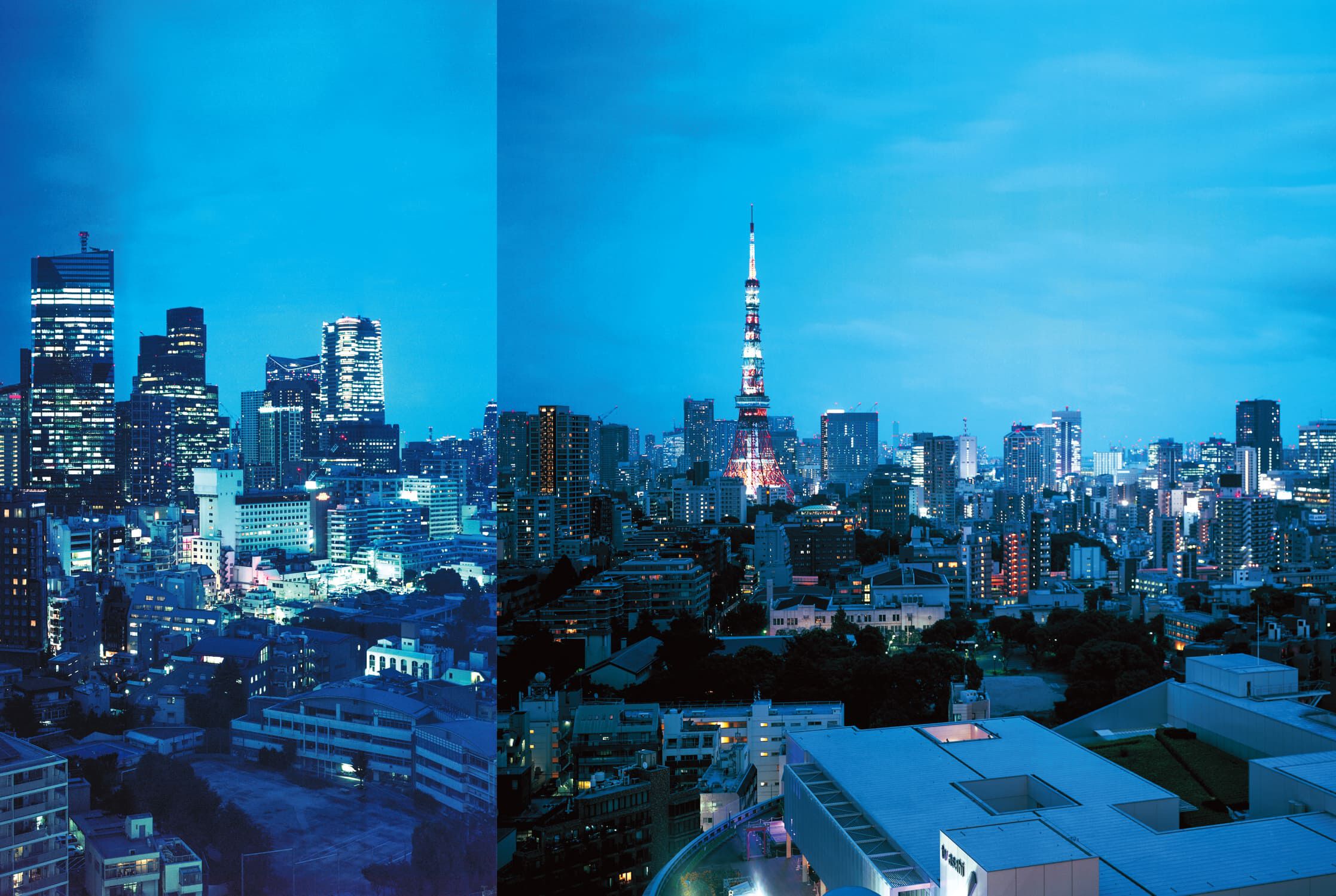
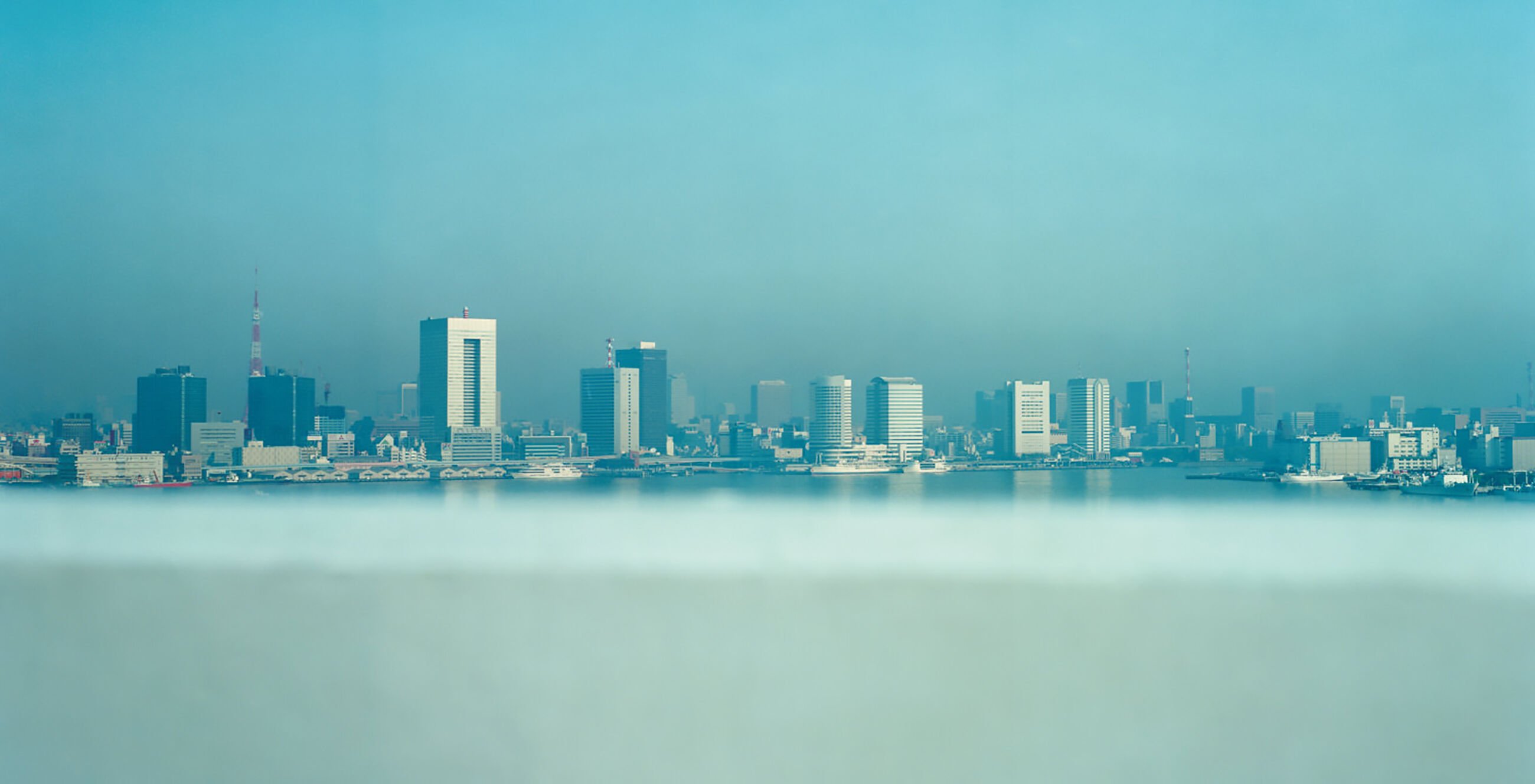
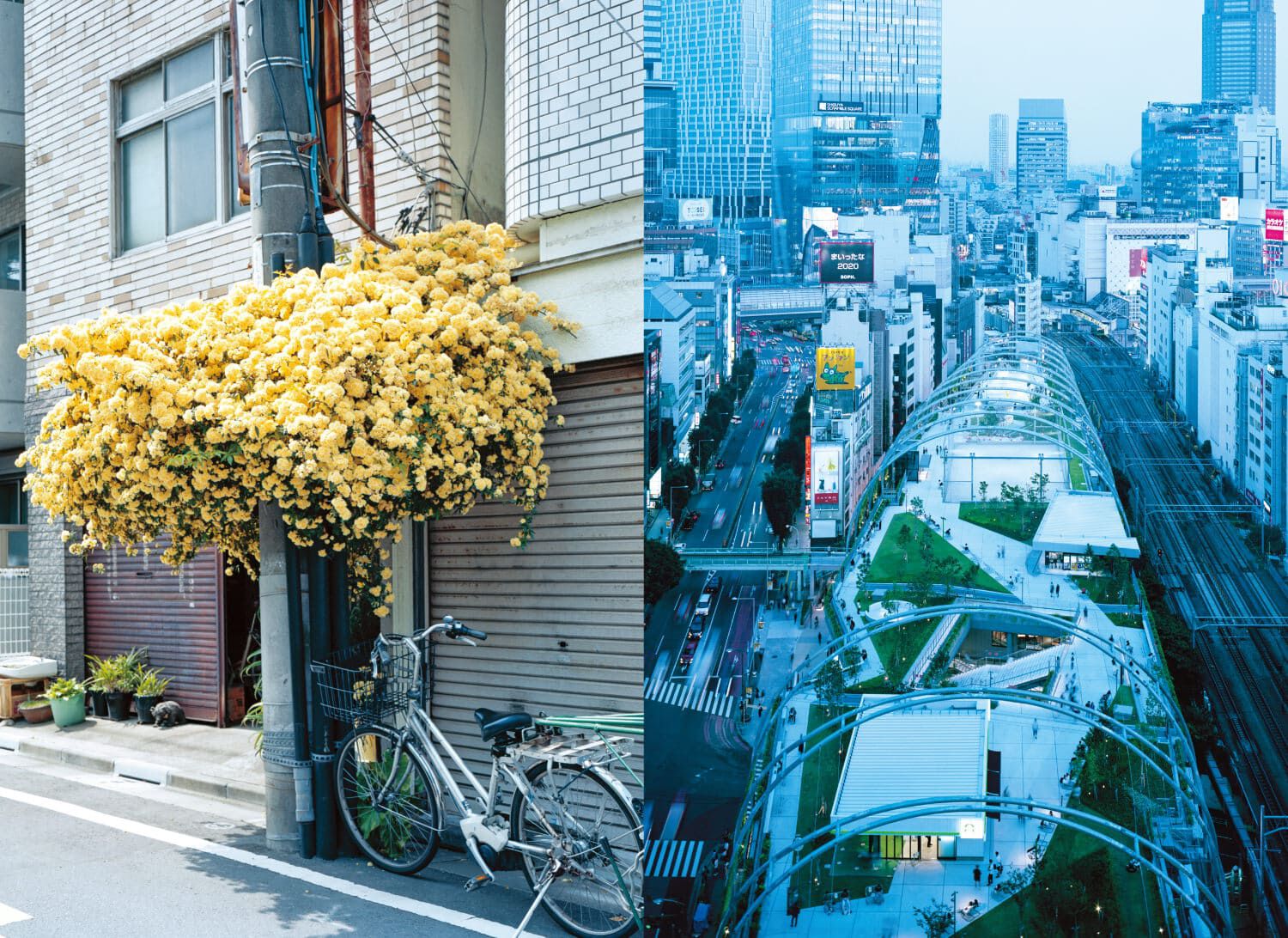
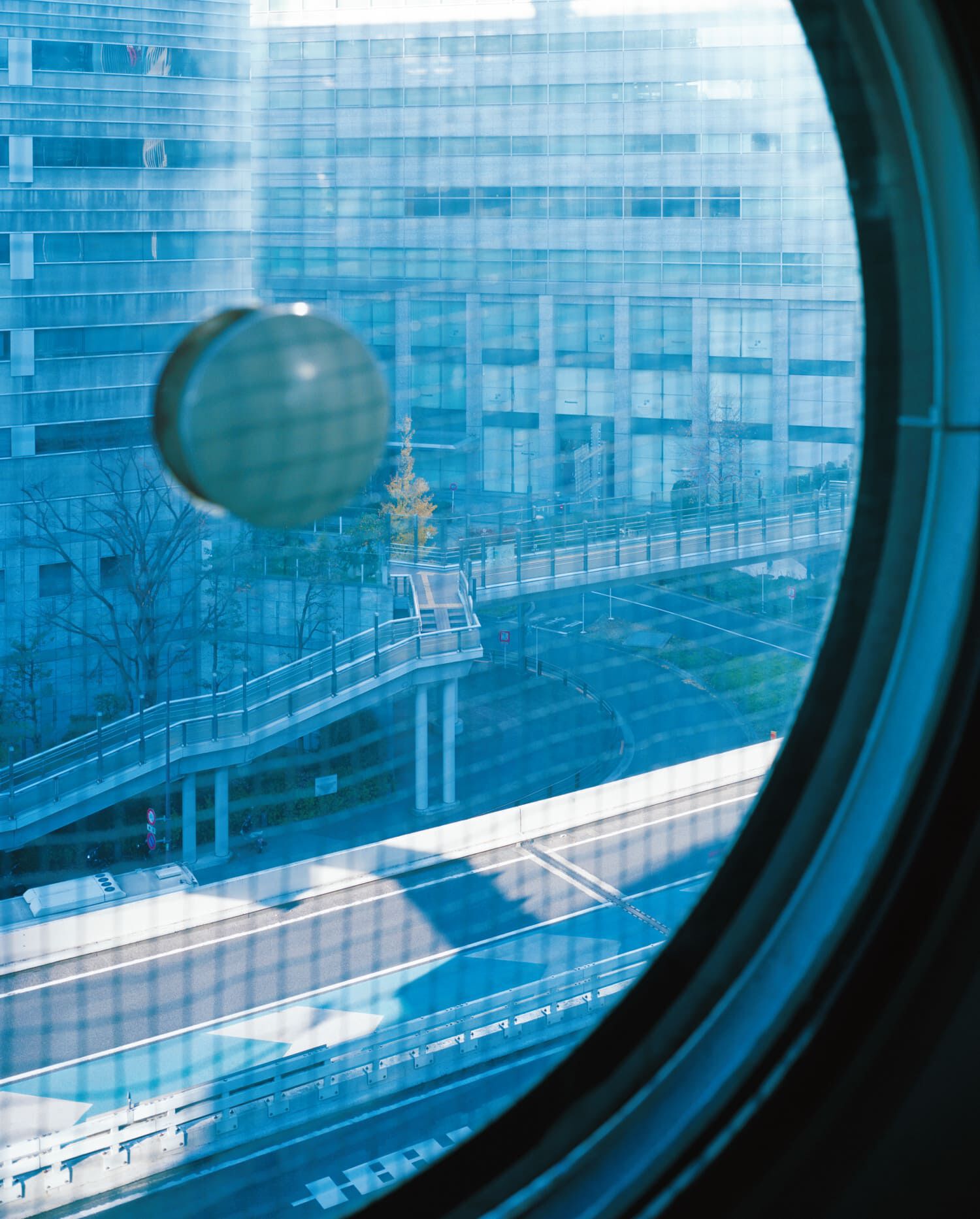
Tokyo Cityscape Photography: Takashi Homma 

From “TOKYO SUBURBIA” “TOKYO OLYMPIA”

Creative by: MANUSKRIPT

It appears you’re in United States right now.
Do you wish to switch site?
Switch to United States
View bag View wishlist Checkout